Car relays are essential components in modern automotive electrical systems, enabling vehicles to manage high-power circuits safely and efficiently. Understanding car relay types is crucial for both automotive engineers and enthusiasts, as these small devices play a significant role in controlling various electrical functions, from headlights to air conditioning systems. Relays essentially act as electrically operated switches, allowing a low-current circuit to control a high-current circuit without direct interaction, which enhances both safety and system reliability.
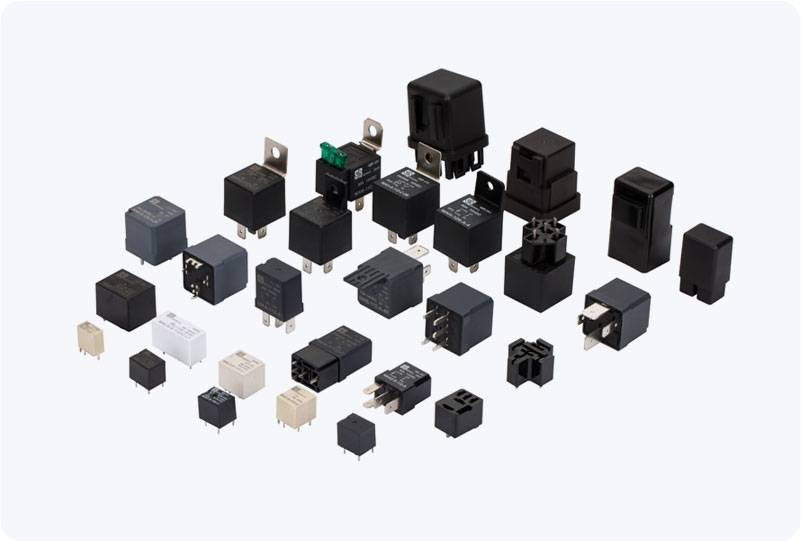
One of the most common car relay types is the Normally Open (NO) relay. In this configuration, the circuit remains open when the relay is not energized, preventing current from flowing. Once the relay coil is powered, the contacts close, completing the circuit and allowing electricity to flow to the connected device. This type is widely used in applications such as starter motors, headlamps, and horn systems, where a temporary connection is needed only when a specific action is triggered. In contrast, the Normally Closed (NC) relay keeps the circuit closed when the relay is de-energized, allowing current to flow continuously. When the relay receives power, the contacts open, interrupting the flow of electricity. This type of relay is commonly used in safety and fail-safe applications, such as backup systems or emergency cut-off circuits, where maintaining a default powered state is critical until intervention occurs.
Leave a Reply