An AC motor relay is an essential component in controlling the operation of alternating current (AC) motors in various industrial and commercial applications. It ensures the safety, efficiency, and longevity of electric motors by offering key functionalities like starting and stopping the motor, protecting it from overloads, and preventing damage from electrical faults. As AC motors are widely used in numerous sectors such as manufacturing, HVAC, and household appliances, understanding the role of motor relays in their operation is critical.
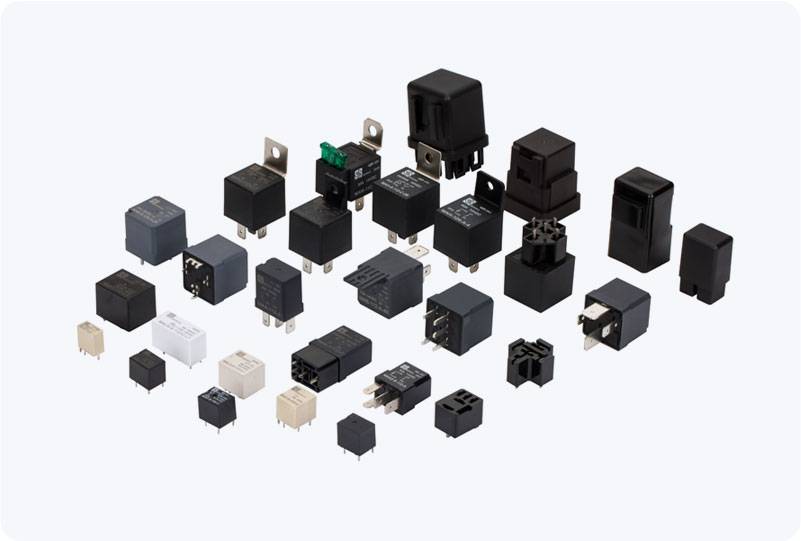
The Role of AC Motor Relays in Motor Control At its core, an AC motor relay serves as a switch that controls the motor’s operation, allowing it to start, stop, or even reverse direction. When an external control signal is received (often from a switch or automated control system), the relay will activate, enabling the motor to start. Similarly, when the motor is no longer needed, the relay disconnects the power, stopping the motor. In some cases, these relays may also provide feedback or monitoring functions, which allows them to respond to certain conditions like voltage drops, overheating, or electrical faults. By doing so, they ensure the motor remains in a safe operating state and that any potential issues are addressed before causing damage.
Leave a Reply