The agricultural sector has undergone significant technological advancements, and one of the key innovations that has revolutionized irrigation systems is the WCB Electric Butterfly Valve. This valve combines the functionality of a butterfly valve with an electric actuator, offering precise control over water flow and significantly improving the efficiency of irrigation systems. In this article, we will explore the features, benefits, and applications of the WCB Electric Butterfly Valve in agricultural irrigation, focusing on how it helps farmers optimize water usage and increase crop yields.
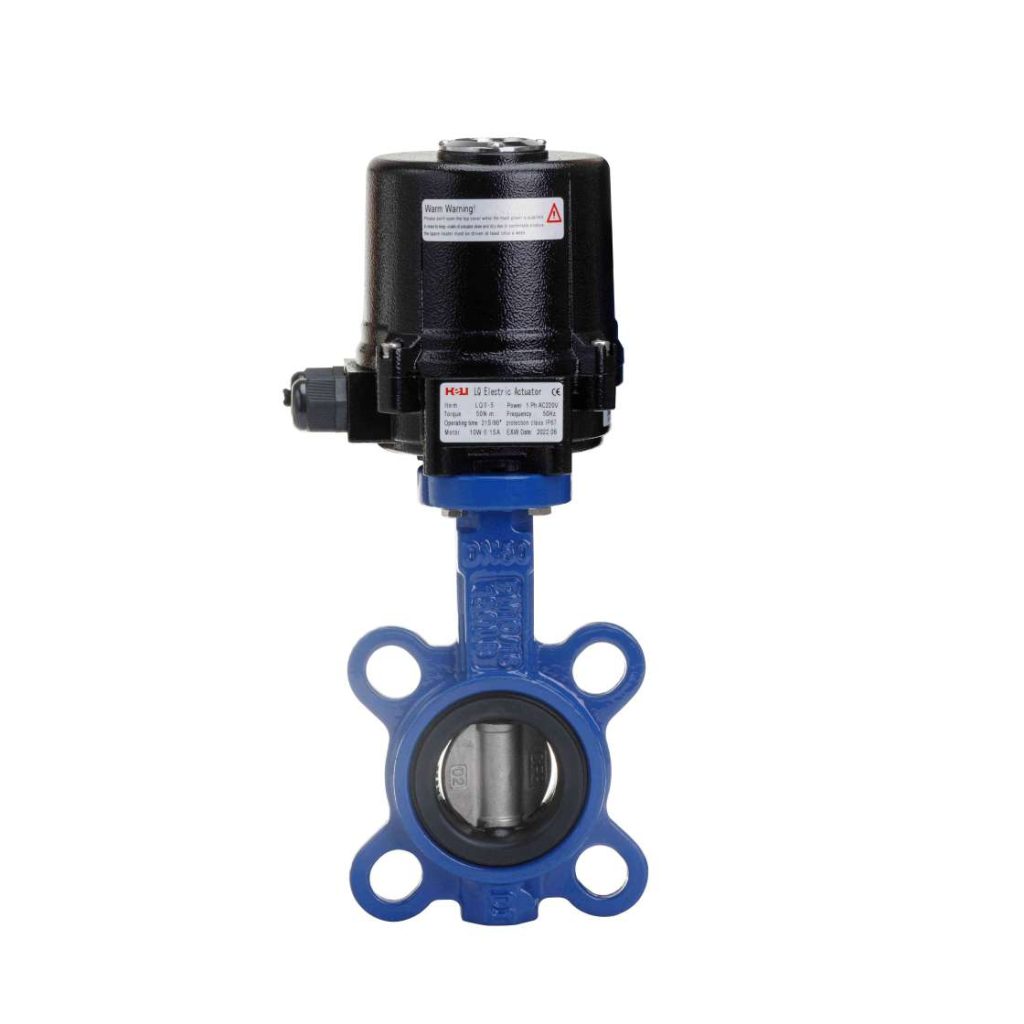
1. What is a WCB Electric Butterfly Valve?
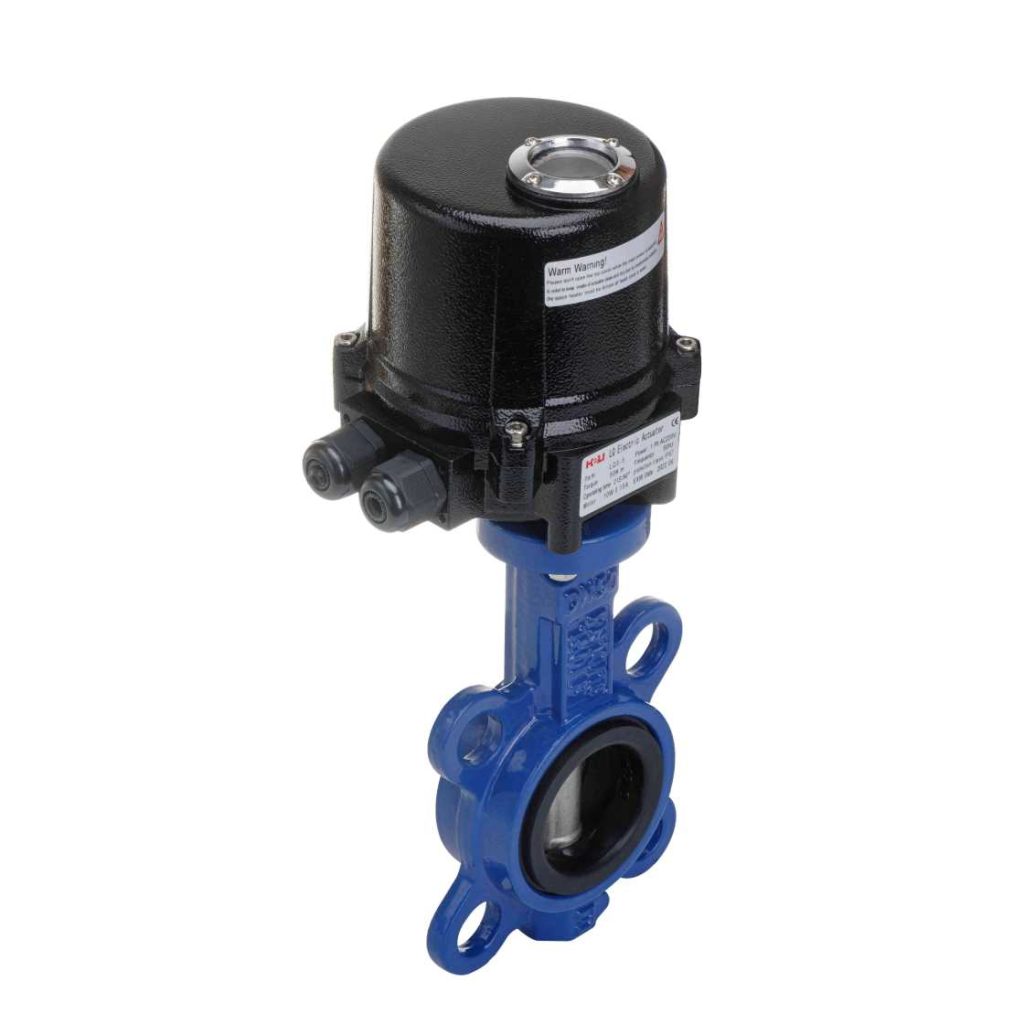
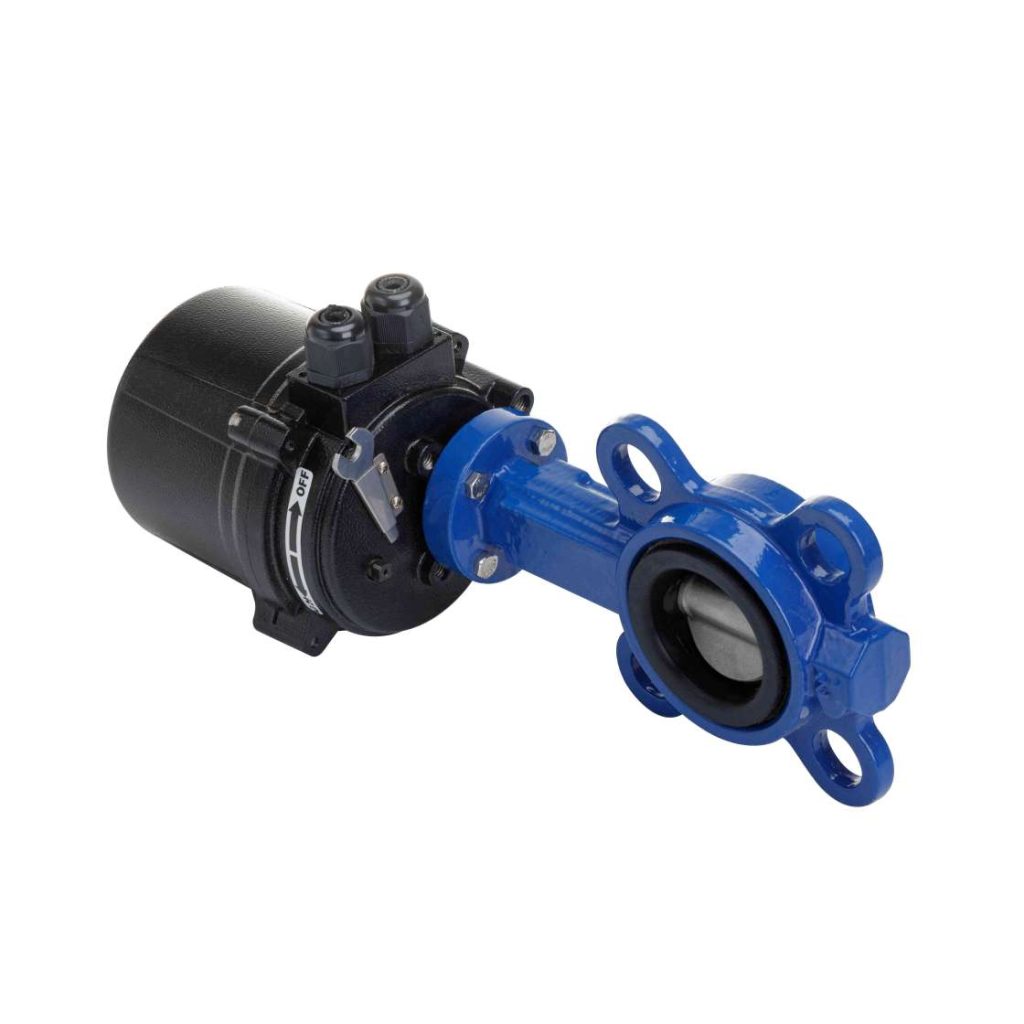
A WCB Electric Butterfly Valve is a type of valve commonly used in agricultural irrigation systems to control the flow of water through pipes. The valve consists of a circular disc (the “butterfly”) that rotates to either block or allow the flow of water. When the valve is fully open, water flows freely through the system. When closed, the flow of water is completely shut off. The “electric” aspect comes from the integration of an electric actuator, which automates the opening and closing process, allowing for remote or automated control of water flow. 2. Components and Functionality The main components of the WCB Electric Butterfly Valve are:
Leave a Reply