Agricultural irrigation is the backbone of modern farming, particularly in areas that rely heavily on controlled water distribution to grow crops efficiently. With the growing need for water conservation and optimized irrigation systems, equipment like the WCB Electric Butterfly Valve has become an essential tool in managing water flow. This article explores the features, benefits, applications, and considerations of using the WCB Electric Butterfly Valve in agricultural irrigation.
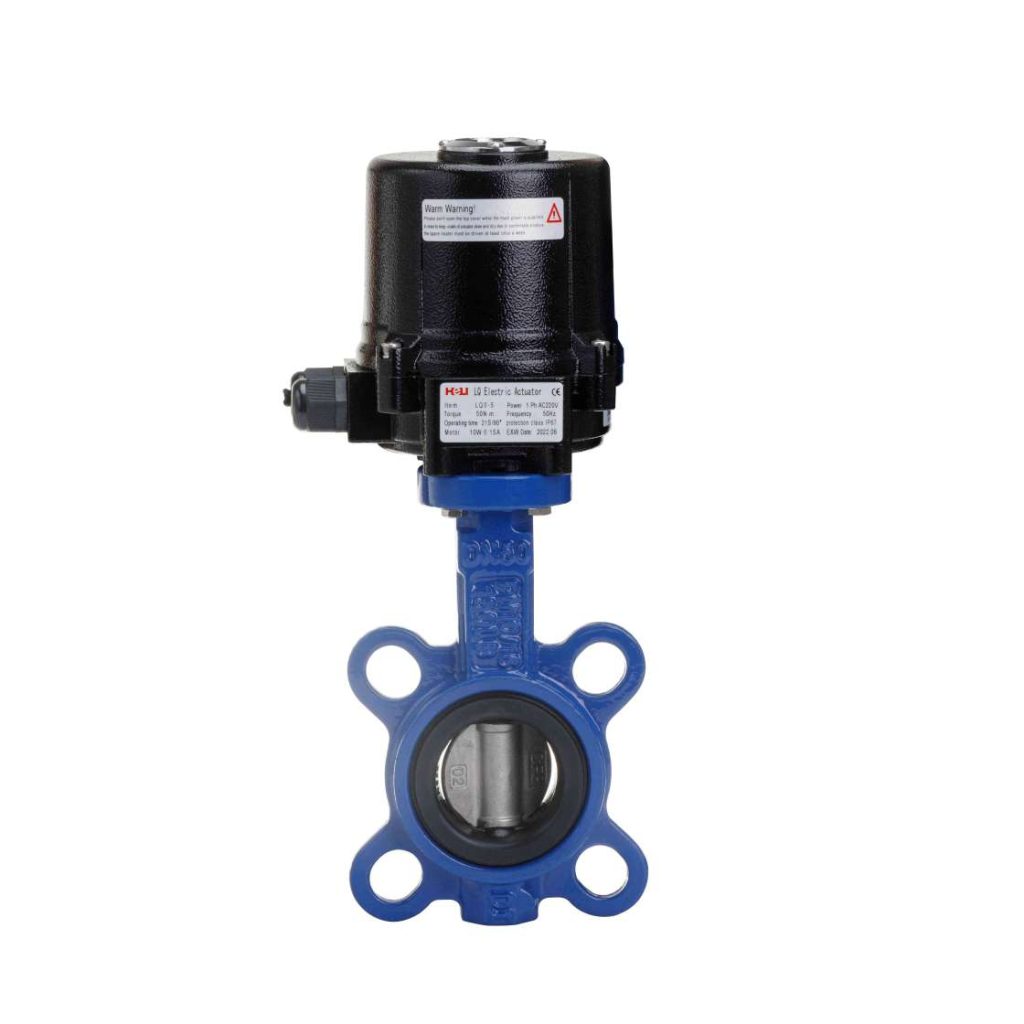
What is a WCB Electric Butterfly Valve?
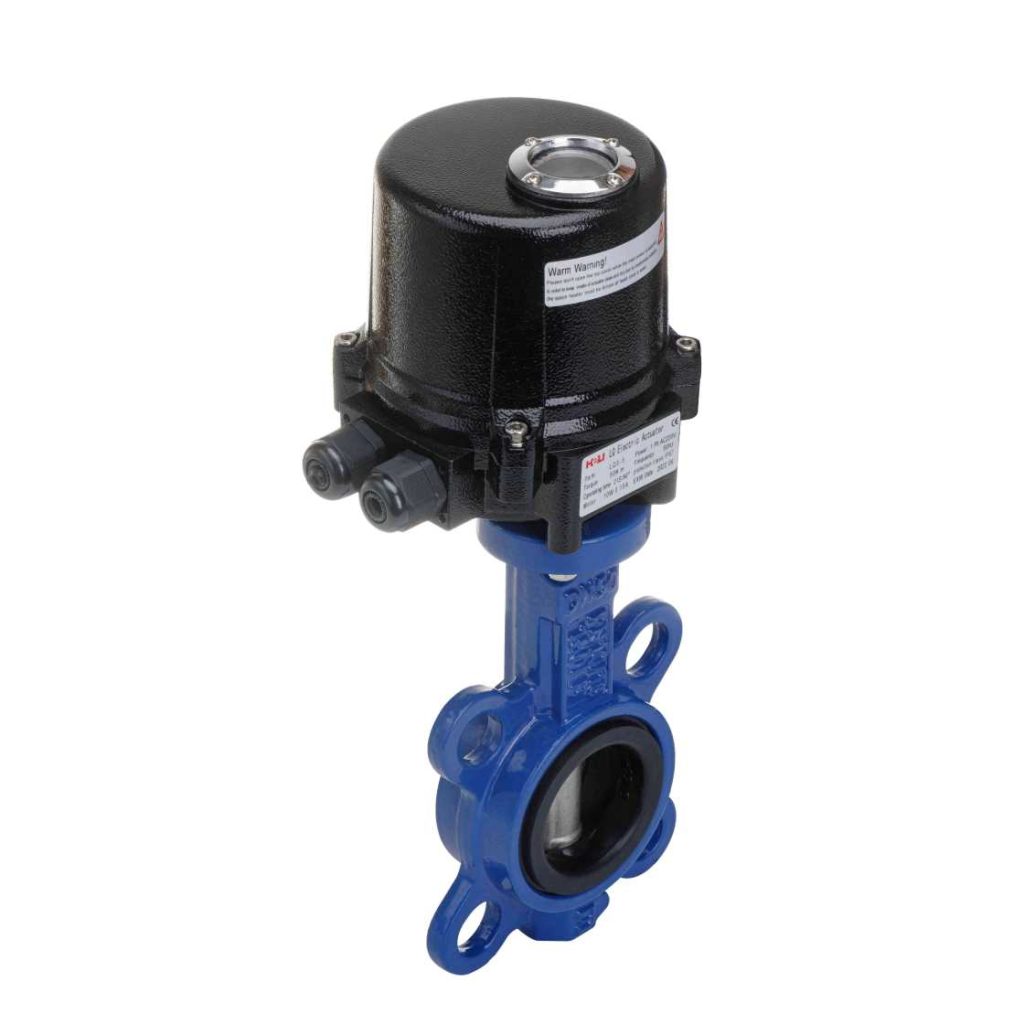
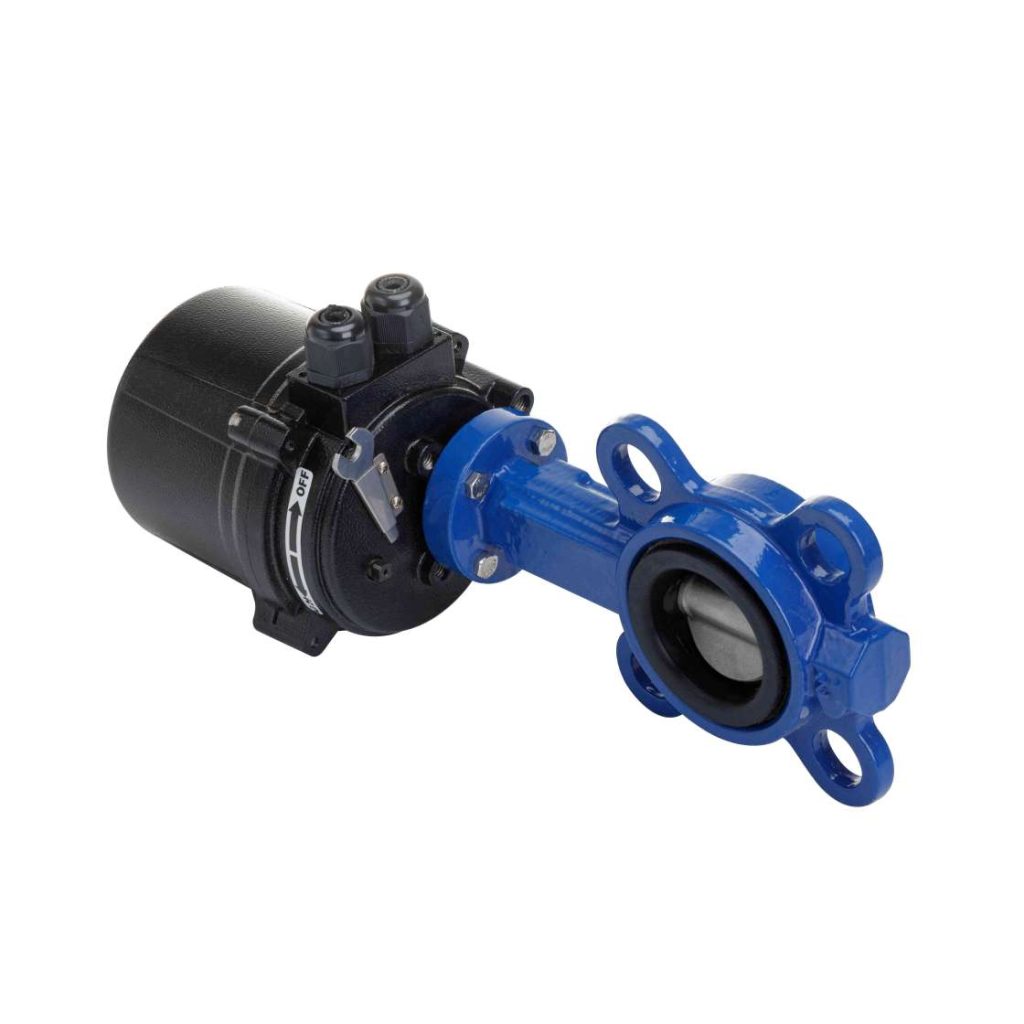
A WCB Electric Butterfly Valve is a type of valve that uses a rotating disk, called the “butterfly,” to regulate the flow of water in pipelines. The WCB in the valve’s name refers to the material used for the valve body—Weldable Cast B steel, a type of carbon steel known for its strength and durability under high-pressure conditions. These valves are designed for controlling the flow of liquids, especially in large irrigation systems where accurate and reliable control is necessary. The valve operates using an electric actuator that provides precise, automated control over the opening and closing of the valve. By turning the valve disk 90 degrees, the valve can either fully open or close, enabling efficient water flow regulation in irrigation lines.
Leave a Reply