As technology continues to advance in the field of agriculture and gardening, the need for efficient and automated irrigation systems has become increasingly important. One critical component of these modern watering systems is the Watering System Solenoid Valve. This device plays a crucial role in controlling water flow, ensuring precise and timely irrigation while conserving water resources. In this article, we will explore the functionality, types, installation, and benefits of watering system solenoid valves.
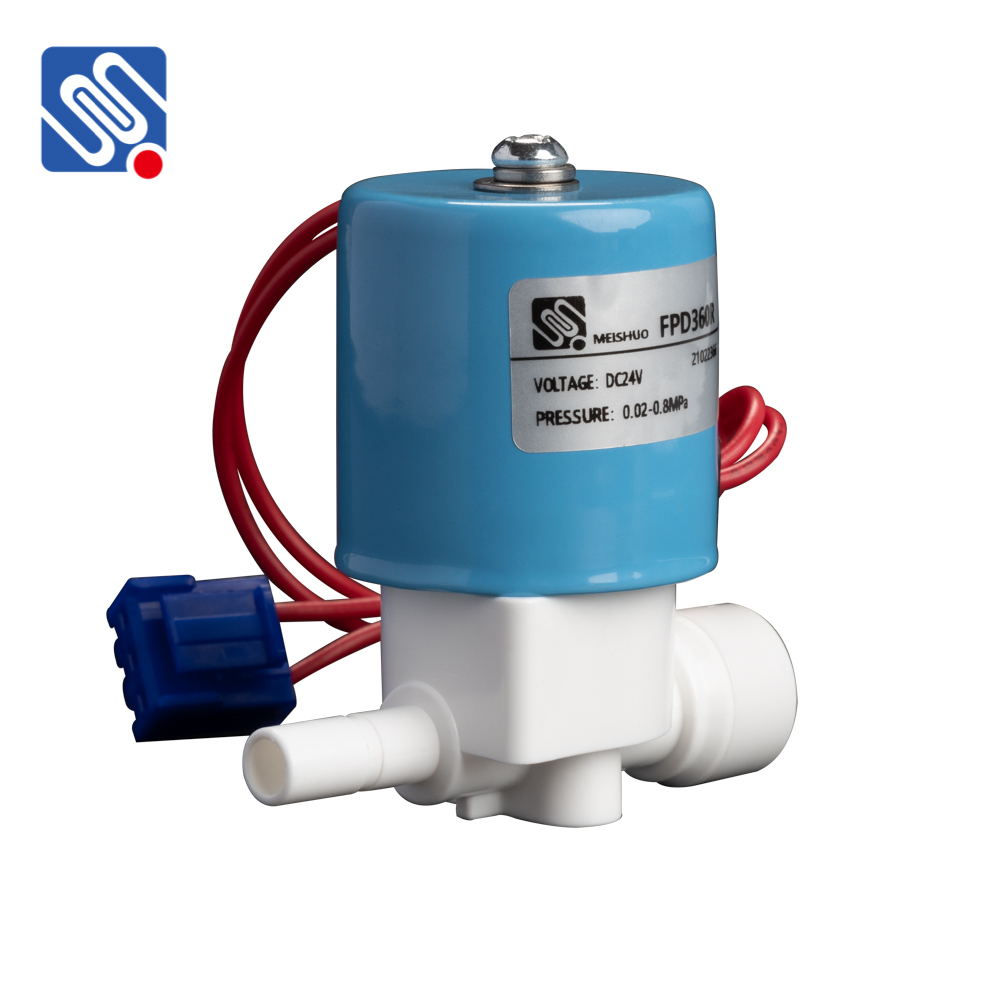
What is a Watering System Solenoid Valve? A Watering System Solenoid Valve is an electrically controlled valve that regulates the flow of water in irrigation systems. It operates using an electromagnetic mechanism, which allows the valve to open and close in response to electrical signals. When the irrigation system requires water, a control device, like a timer or a moisture sensor, sends an electrical signal to the solenoid valve, prompting it to open and allow water to flow. Once the desired watering duration is completed or the soil reaches the appropriate moisture level, the signal is cut off, causing the valve to close and stop the water flow.
Leave a Reply