A Normally Closed Solenoid Valve is one of the most widely used control components in modern industrial and fluid management systems. Its fundamental design and reliable performance make it essential in applications where safety, precision, and automation are critical. This article explores its working principle, structure, advantages, and common applications in detail.
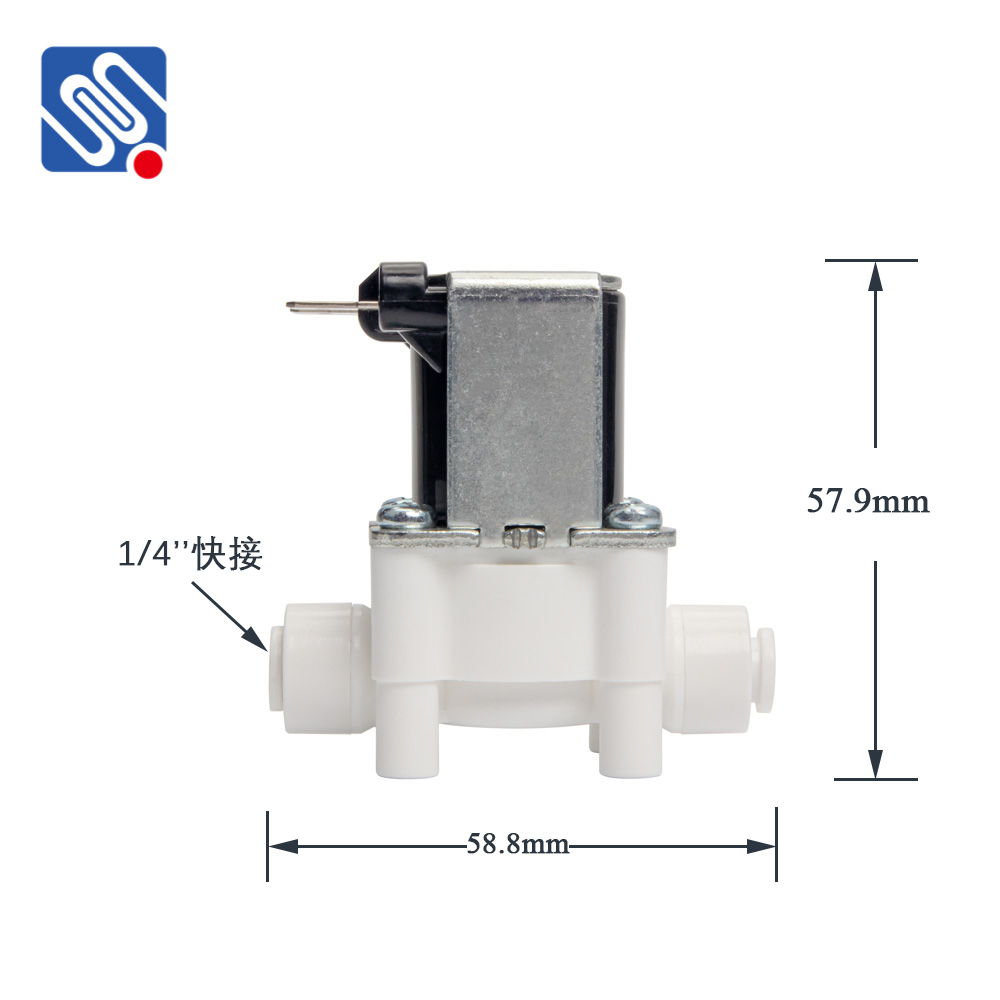
At its core, a Normally Closed Solenoid Valve operates based on an electromagnetic mechanism. The term “normally closed” means that when there is no electrical power supplied to the valve, it remains in a closed position, preventing the flow of fluid or gas. Only when the valve is energized does it open, allowing the medium to pass through. This default closed state is particularly important for safety-critical systems, as it ensures that flow stops automatically in the event of power failure. The structure of a Normally Closed Solenoid Valve typically consists of two main parts: the solenoid coil and the valve body. Inside the valve, there is a movable plunger or armature connected to a sealing element. A spring is used to keep the valve in the closed position when no power is applied. When electric current flows through the coil, it generates a magnetic field that pulls the plunger upward, overcoming the spring force and opening the valve. Once the power is turned off, the magnetic field disappears, and the spring pushes the plunger back down to close the valve again.
Leave a Reply