In the realm of modern water treatment systems, efficiency and reliability are of paramount importance. One of the critical components that contribute to these factors is the solenoid valve. The Water Treatment System Solenoid Valve plays a vital role in managing the flow of water and various chemicals, ensuring that the treatment process is both safe and effective. This article aims to provide a comprehensive overview of solenoid valves used in water treatment systems, exploring their functionality, applications, advantages, and maintenance considerations.
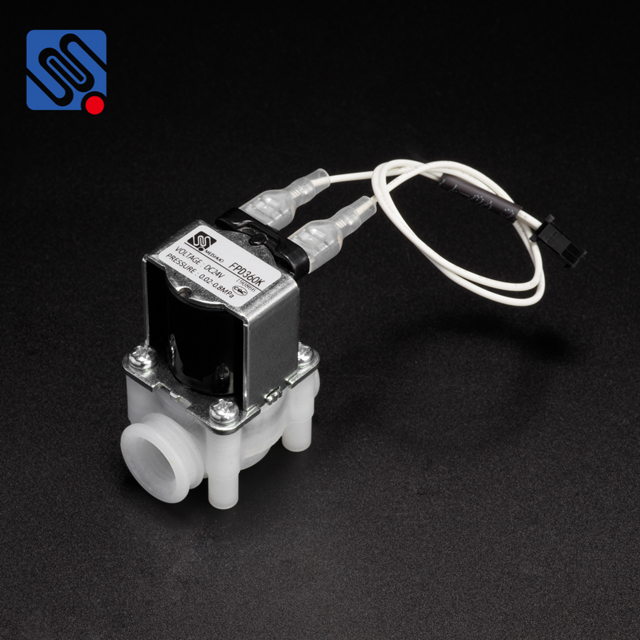
What is a Solenoid Valve? A solenoid valve is an electromechanical device that utilizes electromagnetic force to control the opening and closing of a valve. When an electrical current passes through the solenoid coil, it generates a magnetic field, causing the valve to open. Conversely, when the current is cut off, the magnetic field dissipates, and the valve returns to its default position. This operating mechanism allows for quick and precise control over the flow of liquids, making solenoid valves ideal for various applications, including water treatment. Functions of Solenoid Valves in Water Treatment
Leave a Reply