Understanding the Role of Reverse Osmosis Solenoid Valve in Water Treatment Systems
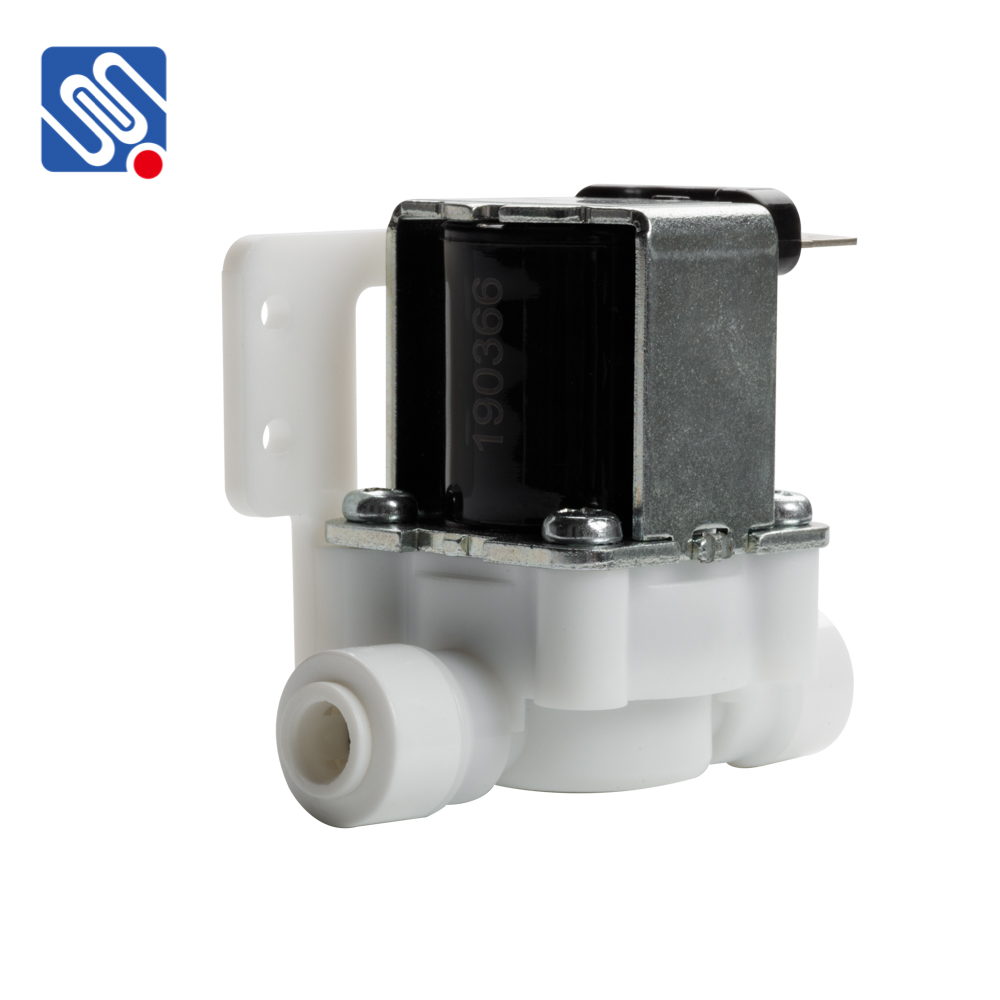
In the realm of water purification, reverse osmosis (RO) systems have emerged as one of the most effective methods for removing contaminants from water. A crucial component of these systems is the reverse osmosis solenoid valve, which plays a vital role in controlling the flow and pressure of water through the system. This article delves into the significance, working principles, types, applications, and considerations surrounding solenoid valves in reverse osmosis systems. The Significance of Reverse Osmosis Solenoid Valves Reverse osmosis solenoid valves are essential for automating the operation of water treatment systems. Their primary function is to control the flow of water entering the RO membrane, managing both fresh water intake and wastewater discharge. This automation not only enhances efficiency but also ensures that the system operates under optimal conditions. By precisely regulating water flow, solenoid valves help maintain the pressure required for effective filtration, ultimately contributing to the quality of the purified water produced.
Leave a Reply