As the automotive industry undergoes a major transformation towards electrification, the importance of efficient power management in electric vehicles (EVs) has come to the forefront. One key component that plays a critical role in this shift is the 48V automotive relay. This article delves into the significance, functionality, and applications of 48V automotive relays within electric vehicles, exploring how they contribute to the overall efficiency and performance of EV systems.
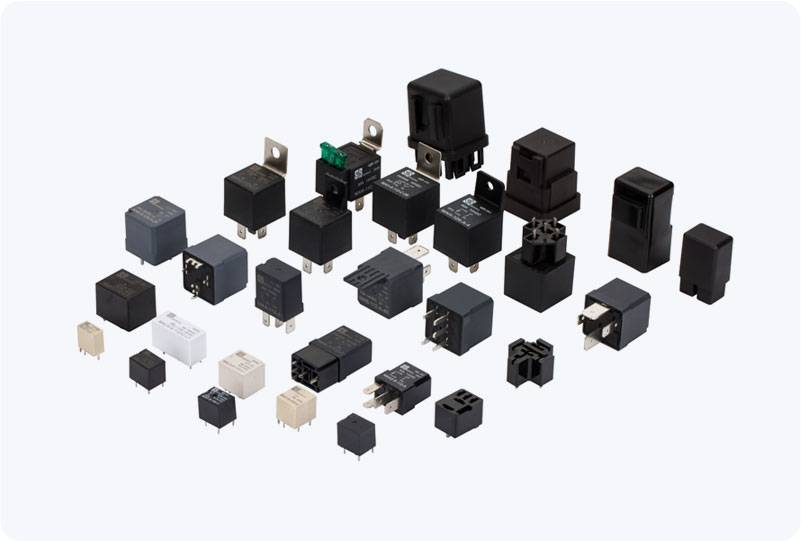
The Shift to 48V Systems Traditionally, automotive electrical systems operated on 12V power sources. However, with the increasing demand for electrification and additional power-consuming features, manufacturers are adopting higher voltage systems. The 48V architecture stands out as an optimal solution, bridging the gap between conventional 12V systems and high-voltage electric drivetrains (typically over 200V). This balance allows for more efficient energy distribution and a noticeable reduction in weight and complexity. What is a 48V Automotive Relay? A 48V automotive relay is an electromechanical switch designed to control the distribution of electrical current within a vehicle’s power system. It operates by using a small voltage signal (typically 12V or 24V from the vehicle’s control unit) to open or close circuits that carry higher currents up to 48V. This ability to manage higher power levels in a compact form is crucial in electric vehicles, where space and efficiency are paramount.
Leave a Reply