Reverse Osmosis (RO) is a widely used water purification technology that filters impurities and contaminants from water through a semi-permeable membrane. One of the critical components in any reverse osmosis system is the Reverse Osmosis Solenoid Valve, which plays a pivotal role in controlling water flow. Whether in home water filtration systems, industrial applications, or even aquariums, this valve ensures that water is appropriately managed for optimal filtration performance. In this article, we will explore the importance, functionality, and key features of the Reverse Osmosis Solenoid Valve.
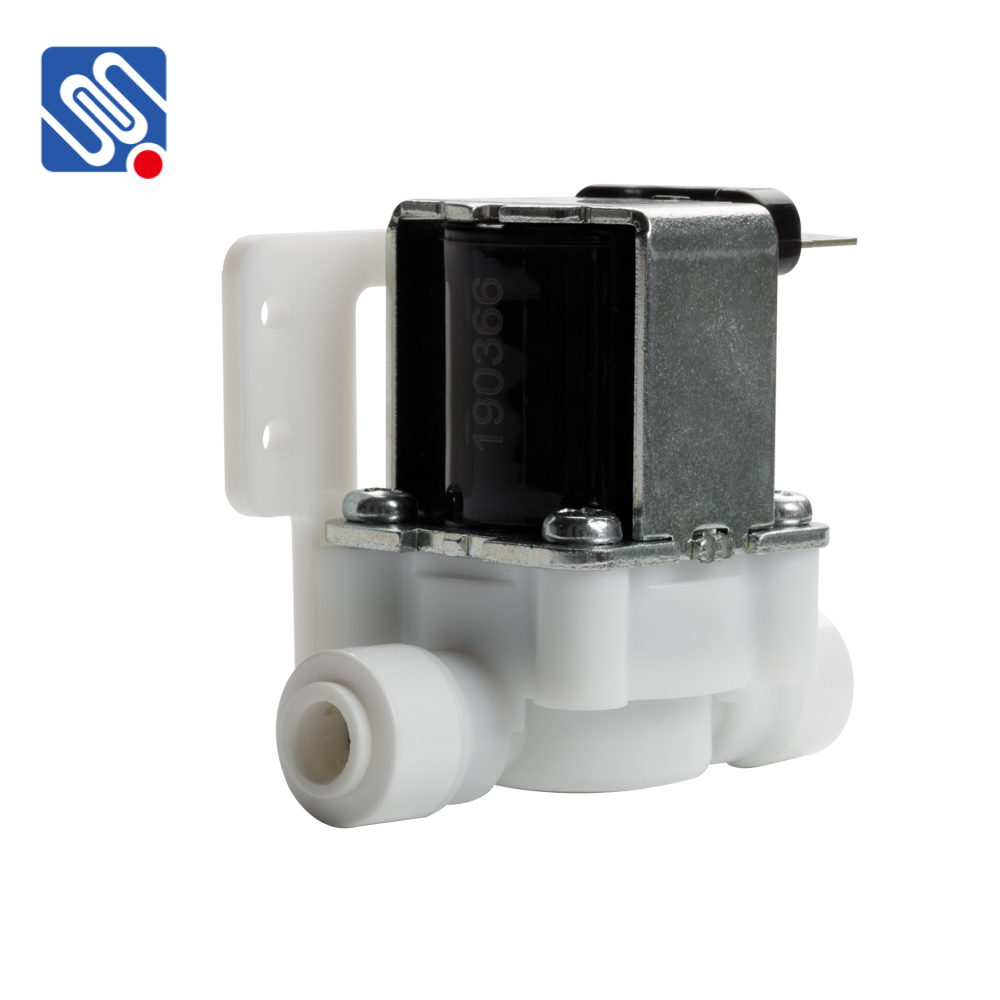
What is a Reverse Osmosis Solenoid Valve? A Reverse Osmosis Solenoid Valve is an electrically operated valve designed to control water flow within an RO system. It consists of a solenoid coil that, when energized by an electrical current, activates a plunger or piston that opens or closes the valve. This device allows the system to automatically control the water flow into the RO membrane, ensuring that the filtration process runs efficiently and effectively. Typically, the valve works in conjunction with other system components such as pressure switches, flow sensors, and the RO membrane itself. It is often used to manage the inflow of water and regulate pressure, ensuring that the system operates at peak efficiency.
Leave a Reply