Automotive relays are integral components in modern automotive electrical systems, serving a crucial role in managing electrical circuits. These small but powerful devices control the flow of current in high-power systems, offering a simple and reliable way to switch circuits on and off with minimal power input. Understanding how automotive relays work, their types, and their applications can help vehicle owners, mechanics, and engineers appreciate the sophistication and efficiency of contemporary automobile designs.
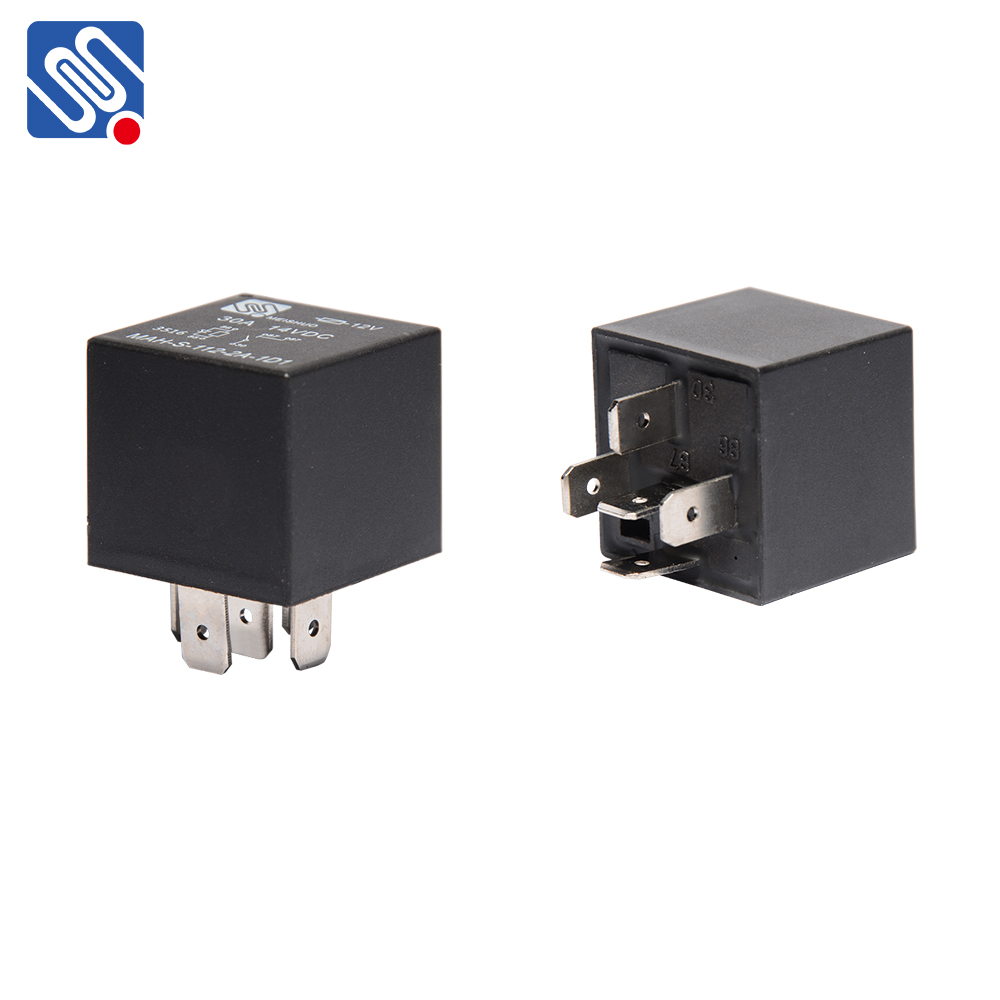
What is an Automotive Relay? An automotive relay is an electromechanical device that controls a large current circuit using a smaller control current. It consists of an electromagnet, a movable armature, and a set of contacts. When the relay is activated by a low current (via a coil), the electromagnet energizes and moves the armature, causing the contacts to either open or close, thereby completing or breaking a high current circuit. This allows a low-current control circuit to control the switching of a high-power system, ensuring the proper operation of various electrical functions in the vehicle.
Leave a Reply