A Relay Control System is a fundamental component in modern electrical and industrial automation, providing a reliable method to control high-power devices using low-power signals. At its core, a relay control system allows one circuit to control another without a direct electrical connection, which enhances both safety and efficiency in various applications. Understanding how these systems work and their applications is essential for engineers, technicians, and students involved in electrical engineering and automation.
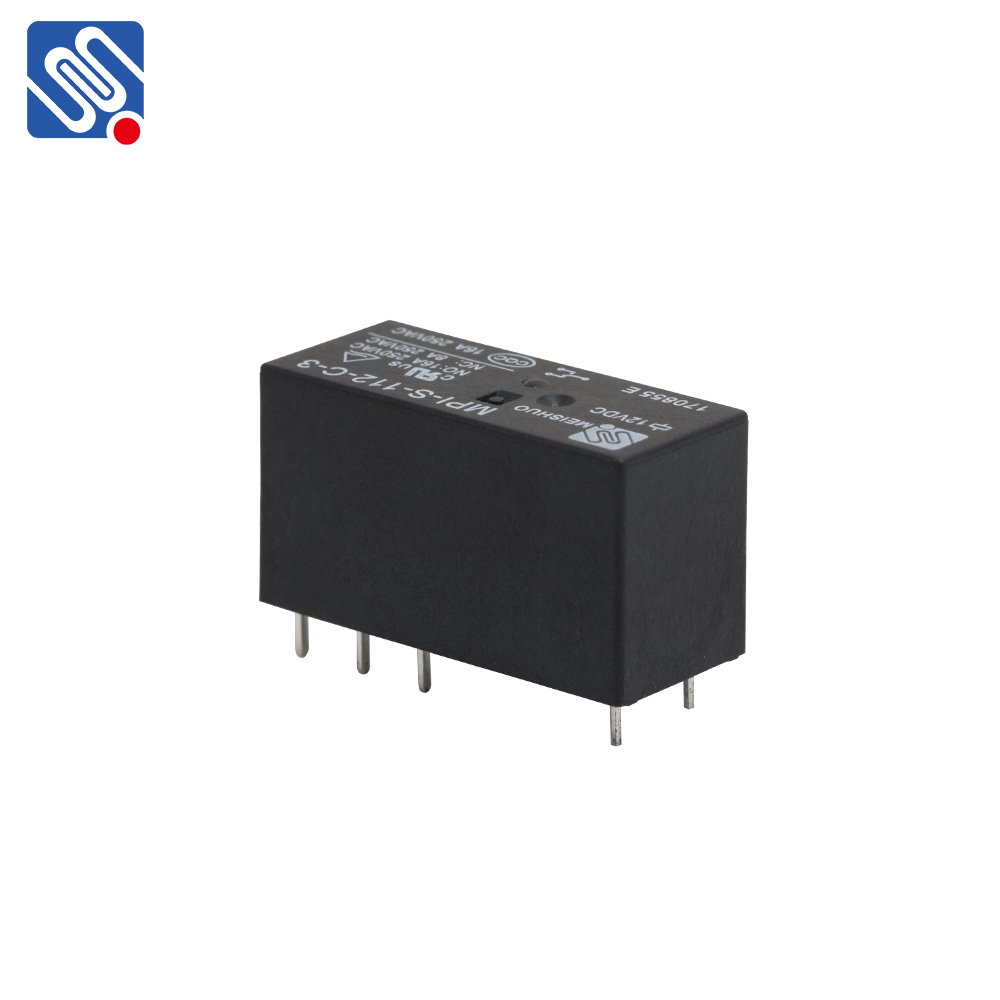
The primary element of a relay control system is the relay itself. A relay is essentially an electrically operated switch that uses an electromagnetic coil to open or close contacts. When a small control current passes through the coil, it generates a magnetic field that moves the internal contacts, thereby connecting or disconnecting a larger electrical load. This simple mechanism allows a low-voltage signal to safely control devices that operate at higher voltages or currents, such as motors, pumps, and lighting systems. A typical relay control system consists of several key components. First, there is the control input, which can be a push button, switch, sensor output, or even a signal from a programmable logic controller (PLC). This input energizes the relay coil. Next is the relay module, which interprets the control signal and operates the contacts accordingly. The final component is the load, the device being controlled by the relay. Many systems also include protective elements, such as fuses, circuit breakers, or diodes, to prevent damage to the relay or connected equipment due to voltage spikes or faults.
Leave a Reply