In recent years, the demand for electric vehicles (EVs), renewable energy systems, and advanced industrial equipment has surged. One critical component that plays a significant role in ensuring the safety and efficiency of these power systems is the precharge relay. This article seeks to explore the functionality, applications, and design considerations of precharge relays, highlighting their importance in modern electrical systems.
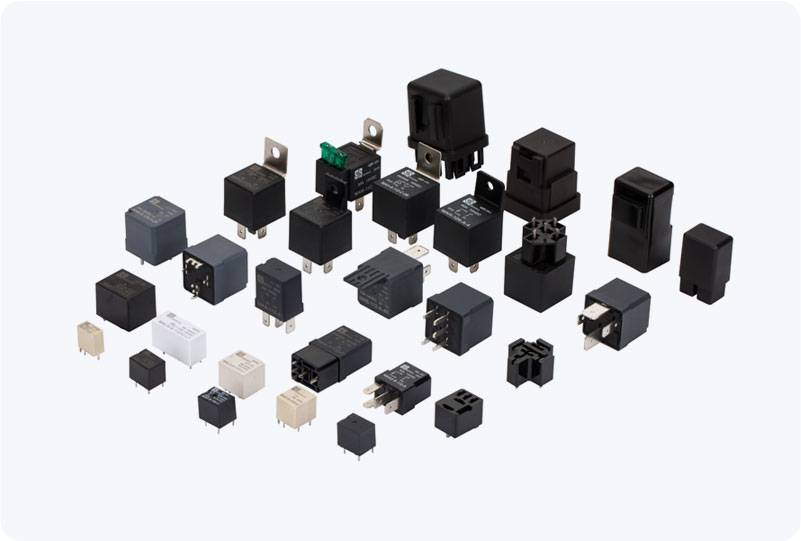
What is a Precharge Relay? A precharge relay is an electromechanical device used to control the connection between a high-voltage energy source and large capacitors in electronic systems. Its primary function is to prevent excessive inrush current when large capacitors are connected directly to the power source. This is particularly crucial in applications where high voltage and high capacitance are involved, such as in electric vehicles, battery storage systems, and various industrial applications. How Does a Precharge Relay Work? The operational mechanism of a precharge relay can be understood in a few key stages:
Leave a Reply