The one way solenoid valve is a crucial device in various fluid control systems, renowned for its efficiency in regulating the flow of gases and liquids. The ability to control flow direction is essential in numerous applications across industries such as automation, manufacturing, agriculture, and home appliances. This article will delve into the working principle, applications, characteristics, and considerations for choosing one way solenoid valves.
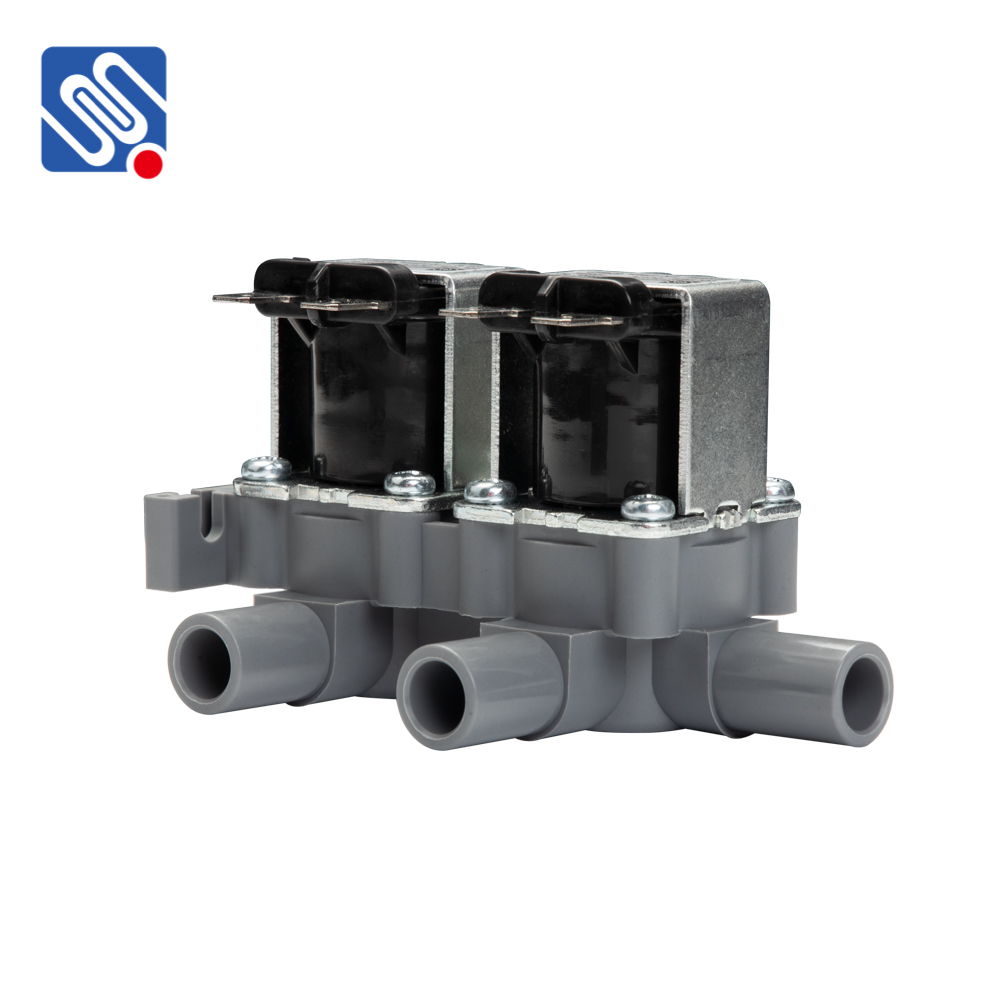
Working Principle At its core, a one way solenoid valve consists of a solenoid coil, a movable core (or plunger), and a valve body containing an orifice. The operation of the one way solenoid valve is quite simple yet effective. When electrical current flows through the solenoid coil, it generates a magnetic field, which then exerts a force on the movable core. This movement either opens or closes the valve, controlling the fluid’s path. In more detail, when the solenoid is energized, the plunger is drawn into the coil, which opens the valve and allows fluid to pass through in one direction. Conversely, when the power is turned off, a spring mechanism retracts the plunger, closing the valve and preventing any backflow. This functionality is critical in applications where it is necessary to avoid reverse flow, thus ensuring system integrity and safety.
Leave a Reply