An overload relay is a crucial component in electrical systems, designed to protect motors and other devices from damage due to excessive current. In industrial and commercial applications, electric motors often face the risk of running under overloaded conditions, which can lead to overheating and potentially permanent damage. Overload relays prevent this by monitoring the current passing through an electrical circuit and disconnecting the power when the current exceeds a safe limit. This article will explore the significance of overload relays, their working principles, types, and applications in modern electrical systems.
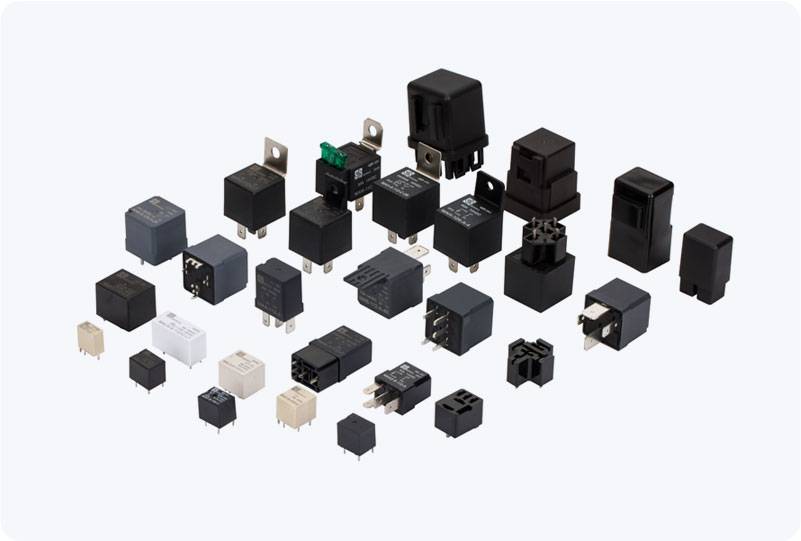
What is an Overload Relay? An overload relay is an electrical protective device used to safeguard electrical equipment, particularly motors, from damage caused by prolonged overcurrent. It operates by continuously monitoring the electrical current flowing through the circuit, specifically detecting when the current exceeds the set threshold, signaling an overload condition. When such a condition is detected, the overload relay interrupts the circuit to prevent further damage to the motor or other connected devices. Overload relays are typically used in motor control circuits and are an integral part of the protection mechanism in industries where electric motors play a vital role. Without this protection, motors can overheat, causing insulation damage, performance degradation, and, in some cases, complete failure.
Leave a Reply