In industrial and manufacturing environments, safety is paramount. One of the critical components in establishing a secure working atmosphere is the implementation of Loto devices, also known as lockout-tagout (LOTO) devices. These devices are integral to a comprehensive safety program aimed at preventing accidental machinery startup during maintenance or repair operations. This article explores the significance, functionality, and best practices concerning Loto devices to ensure a safer workplace.
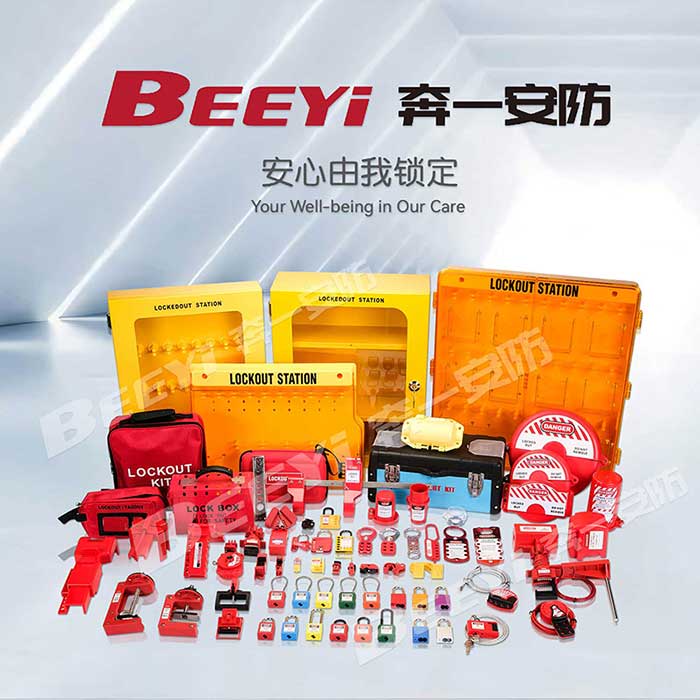
What is a Loto Device? A Loto device is a safety mechanism that locks a piece of machinery or equipment in a state where it cannot be operated without the proper authorization and actions to disengage the lock. Typically, these devices come in the form of padlocks, tags, or other locking systems that prevent unauthorized use and provide a clear indication that maintenance is being performed. The primary purpose of Loto devices is to protect workers from potential harm that could arise from unexpected machinery operation. The Role of Loto Devices in Safety Management 1. Risk Mitigation: The use of Loto devices significantly reduces the risk of workplace injuries and fatalities. According to the Occupational Safety and Health Administration (OSHA), lockout/tagout procedures are vital in protecting employees from hazardous energy releases. When machinery is under maintenance, using a Loto device prevents accidental startups, ensuring that workers are safe while they perform their tasks.
Leave a Reply