In modern industrial settings, maintaining the optimal temperature within electronic and mechanical enclosures is a critical task. Enclosures house sensitive equipment, including electrical systems, control panels, and instruments that are vulnerable to environmental conditions such as humidity, temperature fluctuations, and dust. This is where an Enclosure Heater plays a vital role. These devices are designed to protect equipment from extreme cold, condensation, and other environmental factors, ensuring that machinery runs smoothly and efficiently. In this article, we will explore the significance of enclosure heaters, how they work, and their various applications in different industries.
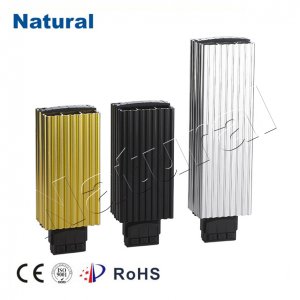
What is an Enclosure Heater?
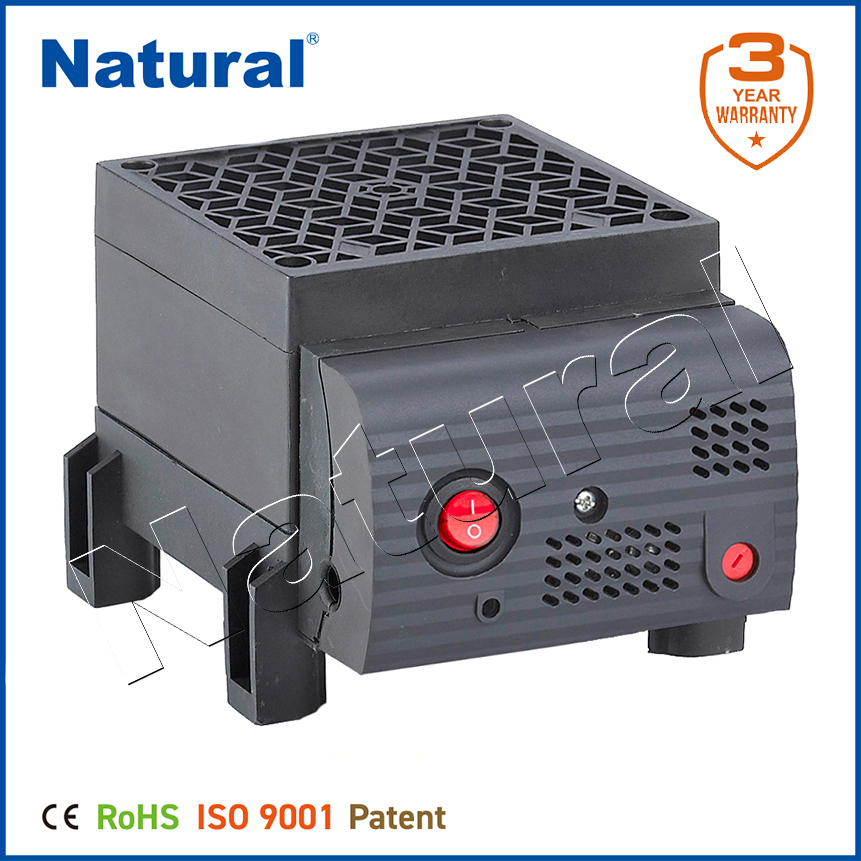
An enclosure heater is a small but powerful device installed inside a protective enclosure to regulate temperature. The heater’s primary purpose is to prevent condensation inside the enclosure, which can cause serious damage to electronic components and mechanical systems. The heater also helps to maintain a stable operating temperature for the equipment housed within the enclosure. By using an enclosure heater, businesses can enhance the longevity and reliability of their equipment, reducing the risk of costly downtime and repairs. How Do Enclosure Heaters Work? Enclosure heaters operate by maintaining a consistent internal temperature within the enclosure, usually just above the dew point, to prevent condensation from forming. They are typically mounted inside the enclosure at various locations, depending on the design and requirements of the system. There are several types of enclosure heaters, each with its unique method of operation. Some common types include:
Leave a Reply