In today’s fast-paced industrial environment, ensuring the safety of workers is paramount. One of the critical measures implemented in various industries, especially in manufacturing, construction, and energy sectors, is the Electrical Equipment Lockouts application. This application plays a vital role in preventing workplace accidents, protecting workers during maintenance, and promoting overall safety culture. In this article, we will explore the significance of Electrical Equipment Lockouts applications, how they work, and their contribution to occupational safety.
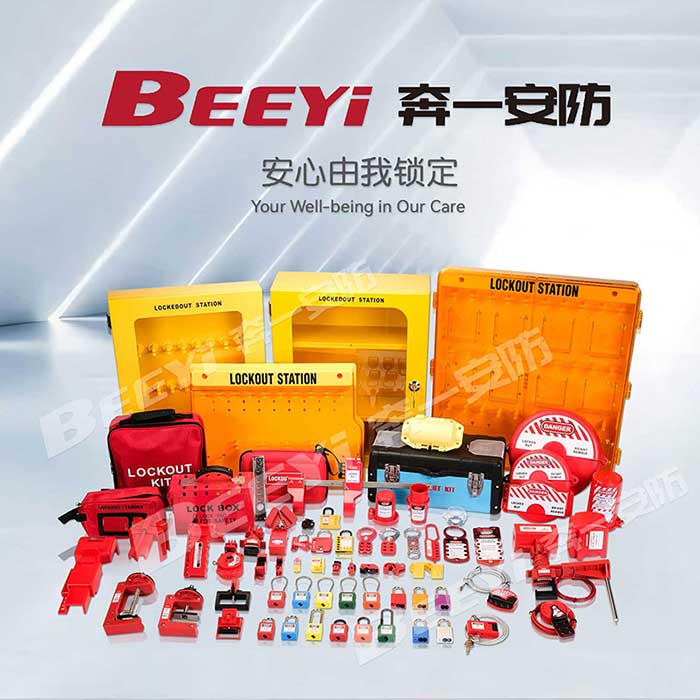
What is Electrical Equipment Lockouts? Electrical Equipment Lockouts refer to procedures that ensure that machines and electrical devices are properly shut off and unable to be started up again until maintenance or servicing is completed. The process involves using physical locks and tags to render equipment inoperable, effectively protecting employees from unexpected startup or release of hazardous energy during maintenance operations. Lockout/tagout (LOTO) procedures are essential components of workplace safety protocols. They involve isolating energy sources, such as electrical, mechanical, hydraulic, and pneumatic systems, to prevent the accidental release of hazardous energy. The Electrical Equipment Lockouts application serves as a digital tool to enhance these protocols, making them more efficient and easier to follow.
Leave a Reply