Electrical safety is a paramount concern in various industries, particularly those involving the operation of heavy machinery and electrical equipment. One crucial procedure that addresses these safety concerns is the Electrical Equipment Lockouts application, commonly known as Lockout/Tagout (LOTO). This practice minimizes the risk of accidental equipment start-up during maintenance and servicing, thereby protecting workers from potential injuries. In this article, we will explore the significance of the Electrical Equipment Lockouts application, its essential components, and how modern technology enhances its implementation.
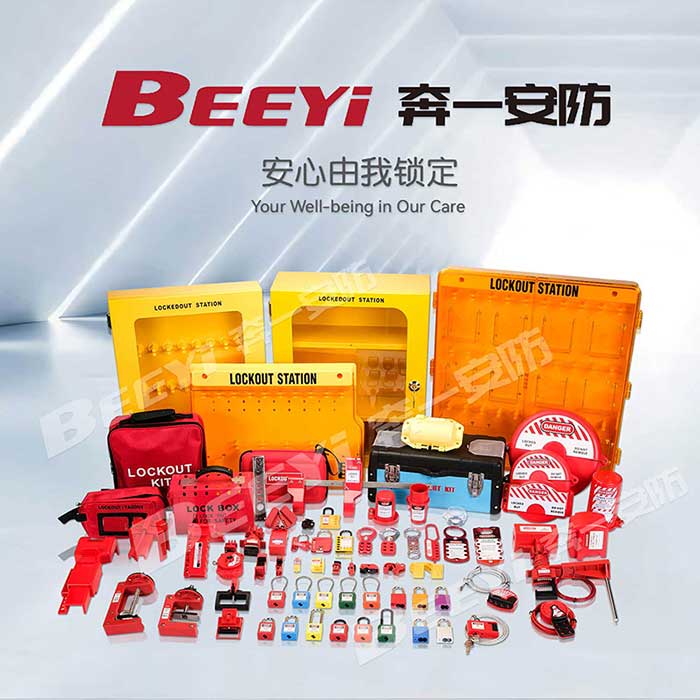
What is Electrical Equipment Lockout? The Electrical Equipment Lockouts application is primarily a safety protocol designed to prevent the unexpected energization or startup of machinery and equipment during maintenance or repair work. The procedure typically involves the isolation of energy sources, which might be electrical, mechanical, hydraulic, or pneumatic. Lockout refers to the practice of physically locking out energy-isolating devices, while tagout involves attaching warning tags to indicate that the equipment should not be operated until the lock is removed. Importance of Lockout/Tagout Procedures