In today’s world of highly sensitive electronic and electrical equipment, temperature control plays a vital role in ensuring the optimal performance and longevity of devices. One essential tool for maintaining ideal operating conditions is the cabinet thermostat. This device helps to regulate the temperature inside enclosures or cabinets, preventing overheating or undercooling that could damage valuable machinery. In this article, we will explore the significance of cabinet thermostats, their working mechanisms, types, applications, and key factors to consider when selecting one for your setup.
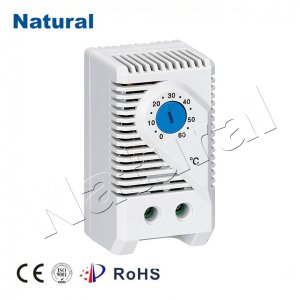
What is a Cabinet Thermostat?
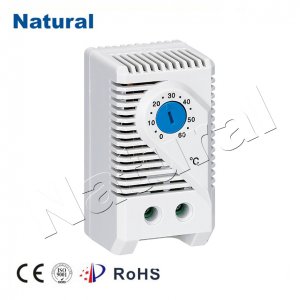
A cabinet thermostat is a device designed to monitor and control the temperature inside enclosures that house electronic and electrical equipment. It senses the internal temperature and activates cooling or heating mechanisms such as fans, air conditioning units, or heaters to maintain the set temperature range. The main purpose of a cabinet thermostat is to protect equipment from the negative effects of extreme temperatures, which can cause malfunctions, reduced lifespan, and even permanent damage to components. How Do Cabinet Thermostats Work? Cabinet thermostats operate based on a simple yet effective principle. They include a temperature sensor that measures the air inside the cabinet. When the temperature deviates from the predetermined range, the thermostat responds by triggering external devices like fans to cool down the interior or heaters to warm it up. These thermostats can either work in cooling mode or heating mode, depending on the environment and the needs of the equipment inside the cabinet.
Leave a Reply