Automotive relays are integral components in modern vehicles, playing a crucial role in the efficiency and safety of the electrical systems. Among the many relays used in cars, the Automotive relay for headlights holds particular significance. This small yet essential component helps ensure that headlights function correctly while protecting the vehicle’s electrical system. In this article, we will explore the function, benefits, and working principles of automotive relays, specifically focusing on the role of relays in controlling headlights.
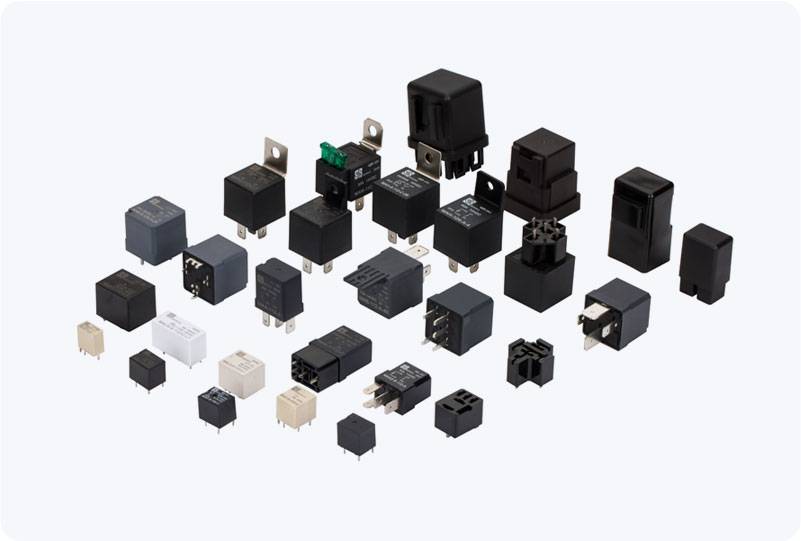
What is an Automotive Relay for Headlights? An automotive relay is an electrically operated switch that controls the flow of electrical current within a vehicle. In the case of headlights, the relay controls the high-current power needed to operate the headlights, allowing the vehicle’s electrical switch or control circuit to activate the headlights without bearing the full current load. Headlights, like other high-power electrical components in a car, require a relay to regulate the high current safely. The relay’s role is to prevent the headlight switch from directly handling the current, which could damage the switch and reduce the reliability of the system. The automotive relay for headlights is designed to be triggered by a low-current signal (from the headlight switch) and, in turn, it completes the circuit for the high-current power needed by the headlights.
Leave a Reply