The High Voltage DC Main Relay is an essential component in many modern electrical systems, particularly in applications that involve high-voltage direct current (HVDC) circuits. It serves as a primary protective and control device for managing high-voltage DC power, which is increasingly used in sectors like electric vehicles (EVs), industrial power systems, and renewable energy systems. In this article, we will explore the functions, applications, and technical considerations of High Voltage DC Main Relays to understand their importance in contemporary electrical engineering.
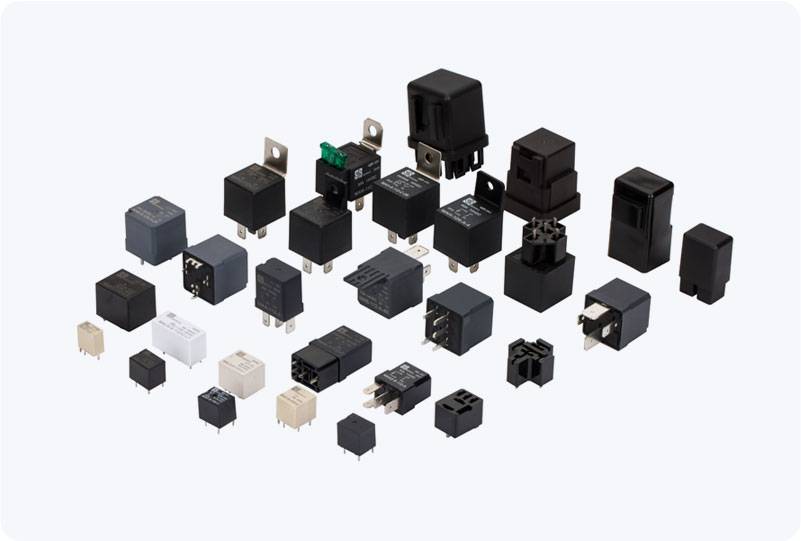
What is a High Voltage DC Main Relay? A High Voltage DC Main Relay is an electromechanical or solid-state device used to switch and control high-voltage DC circuits. It works by connecting or disconnecting the power flow in the system to ensure safe operation. In a typical configuration, the relay is activated by a low-voltage control signal, which triggers the relay’s contacts to either close or open the electrical circuit. This mechanism plays a critical role in managing the flow of electricity in high-power applications, ensuring system reliability and safety. High voltage DC relays are designed to handle the challenges posed by high-voltage and high-current DC circuits, which require more robust components compared to their AC counterparts. These relays must be able to withstand high electrical stresses and, in many cases, manage very rapid switching cycles without failure.
Leave a Reply