In the realm of modern environmental control systems, the electronic hygrostat stands out as a pivotal device for managing indoor humidity levels with precision. This article delves into the workings, advantages, and applications of electronic hygrostats, offering a comprehensive overview for anyone interested in advanced humidity management solutions.
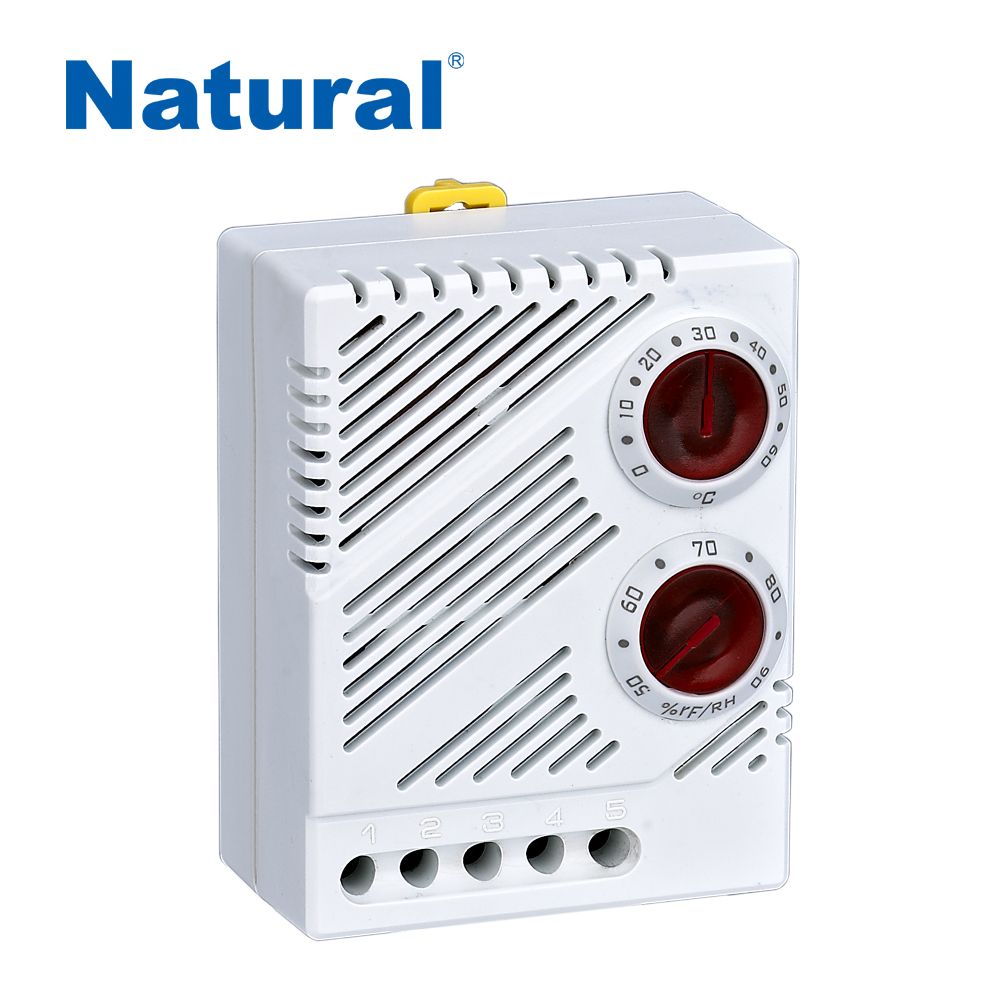
What is an Electronic Hygrostat?
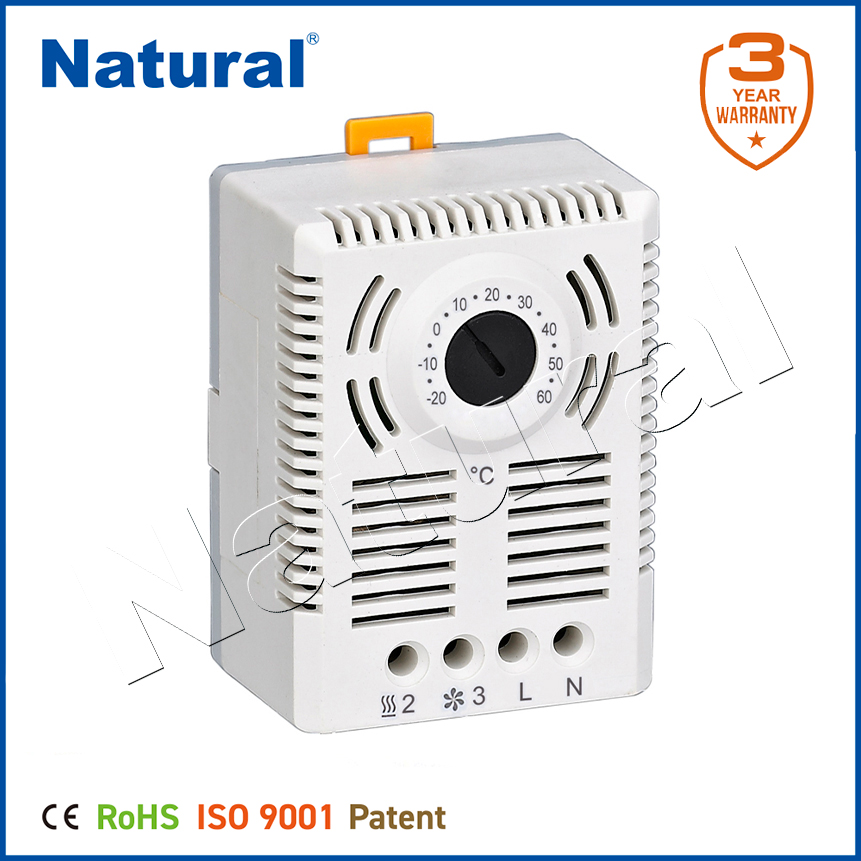
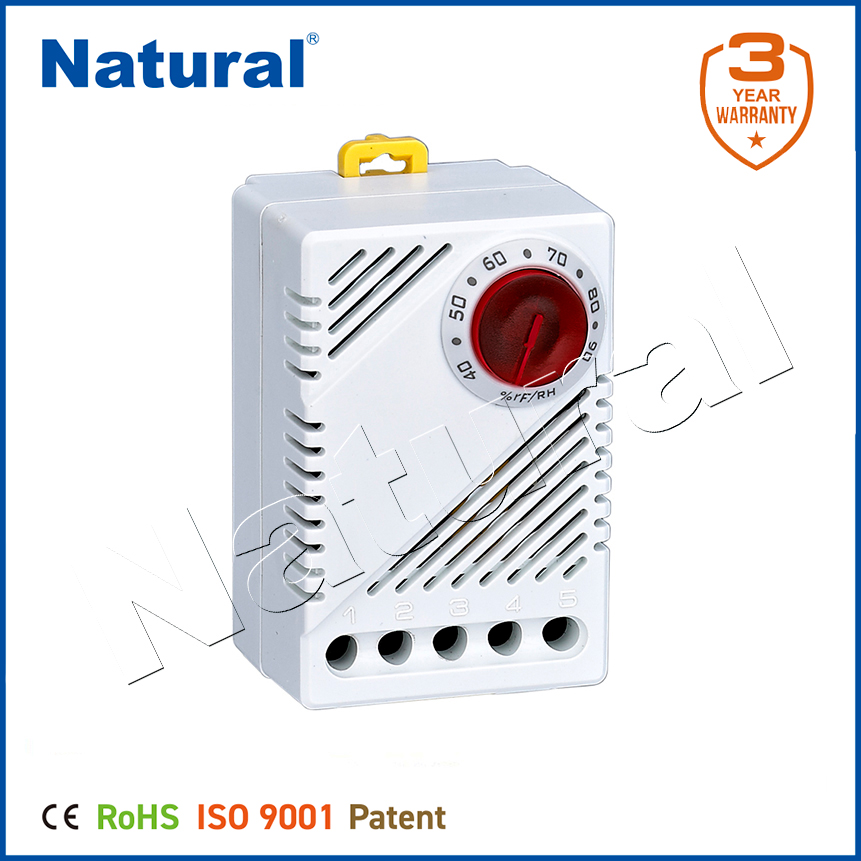
An electronic hygrostat is a sophisticated device designed to monitor and regulate the humidity levels within a specific environment. Unlike traditional mechanical hygrostats, which rely on physical components to gauge humidity, electronic hygrostats utilize digital sensors and microprocessors to achieve more accurate and reliable readings. How Does It Work? At the core of an electronic hygrostat is its humidity sensor, which continuously measures the relative humidity (RH) in the surrounding air. This sensor sends data to a microprocessor that compares the current humidity level with the pre-set desired level. If there is a discrepancy, the microprocessor activates or deactivates connected devices, such as humidifiers or dehumidifiers, to adjust the humidity to the desired level.
Leave a Reply