An Electromechanical Relay (EMR) is an essential component in many electrical systems, providing a reliable means of controlling circuits and devices. Its primary function is to use electromagnetic forces to open or close a set of contacts, thereby controlling the flow of electrical current in a circuit. Despite the advent of newer technologies such as solid-state relays, electromechanical relays remain a widely used and trusted component in various industries due to their simplicity, cost-effectiveness, and proven reliability.
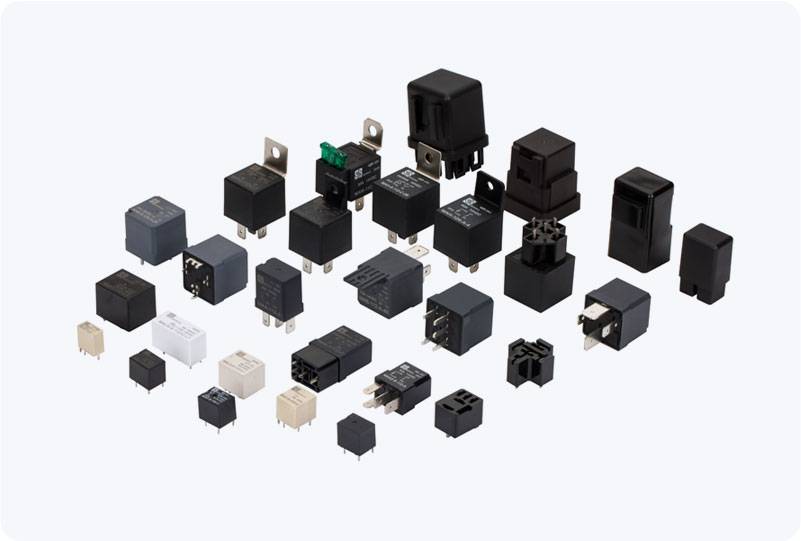
What is an Electromechanical Relay? At its core, an electromechanical relay is an electrical switch that operates based on an electromagnet. It consists of a coil of wire that, when energized, generates a magnetic field. This magnetic field attracts a movable armature, which in turn moves a set of contacts to either complete or break a circuit. The relay’s contacts are generally of two types: Normally Open (NO), where the contacts are open when the relay is not energized, and Normally Closed (NC), where the contacts are closed when the relay is not energized. How Does an Electromechanical Relay Work?
Leave a Reply