An Electromechanical Relay (EMR) is a crucial component in electrical systems, commonly used for controlling the flow of current in a circuit. Its ability to use a small current to switch a larger current makes it an essential tool for various applications, from household appliances to industrial machinery. This article explores the principles, types, and practical applications of Electromechanical Relays, offering insight into their importance in the world of electrical control systems.
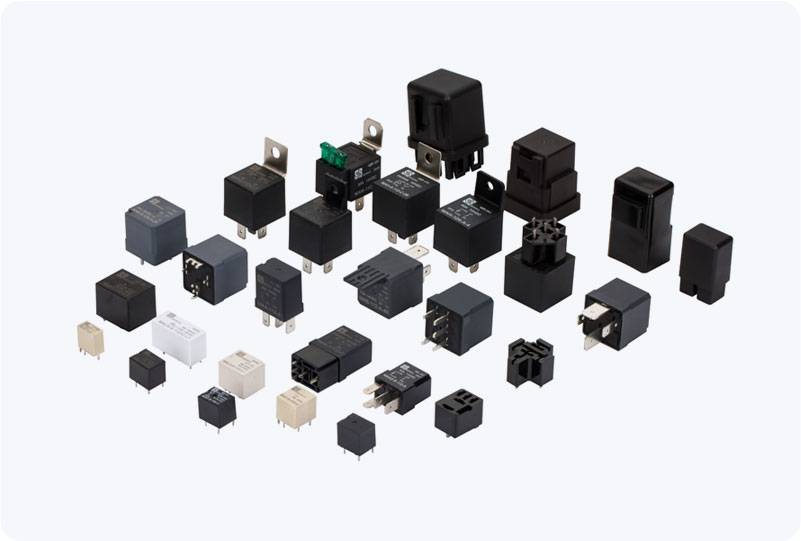
1. The Basic Principle of Electromechanical Relays At the heart of an electromechanical relay lies a simple principle: a small electrical current is used to control a larger current. The device works through electromagnetic induction, using the flow of electricity to generate a magnetic field. This field then activates a switch, which either opens or closes, controlling the connection between two circuits. The fundamental components of an electromechanical relay are: Coil: A coil of wire that, when energized, creates a magnetic field. Armature: A metal part that is moved by the magnetic field created by the coil. This movement causes the relay’s contacts to open or close.
Leave a Reply