A Direct Acting Solenoid Valve (DASV) is a type of solenoid valve that is commonly used in various fluid control systems, including pneumatic, hydraulic, and automated industrial applications. This valve operates using a solenoid, an electromagnetic coil, to directly control the flow of liquids or gases through a pipe. Unlike other types of valves, which rely on pressure differences or external power sources to function, the direct acting solenoid valve relies solely on the electromagnetic force generated by the solenoid to open or close the valve. This article will explore the functionality, advantages, and applications of direct acting solenoid valves.
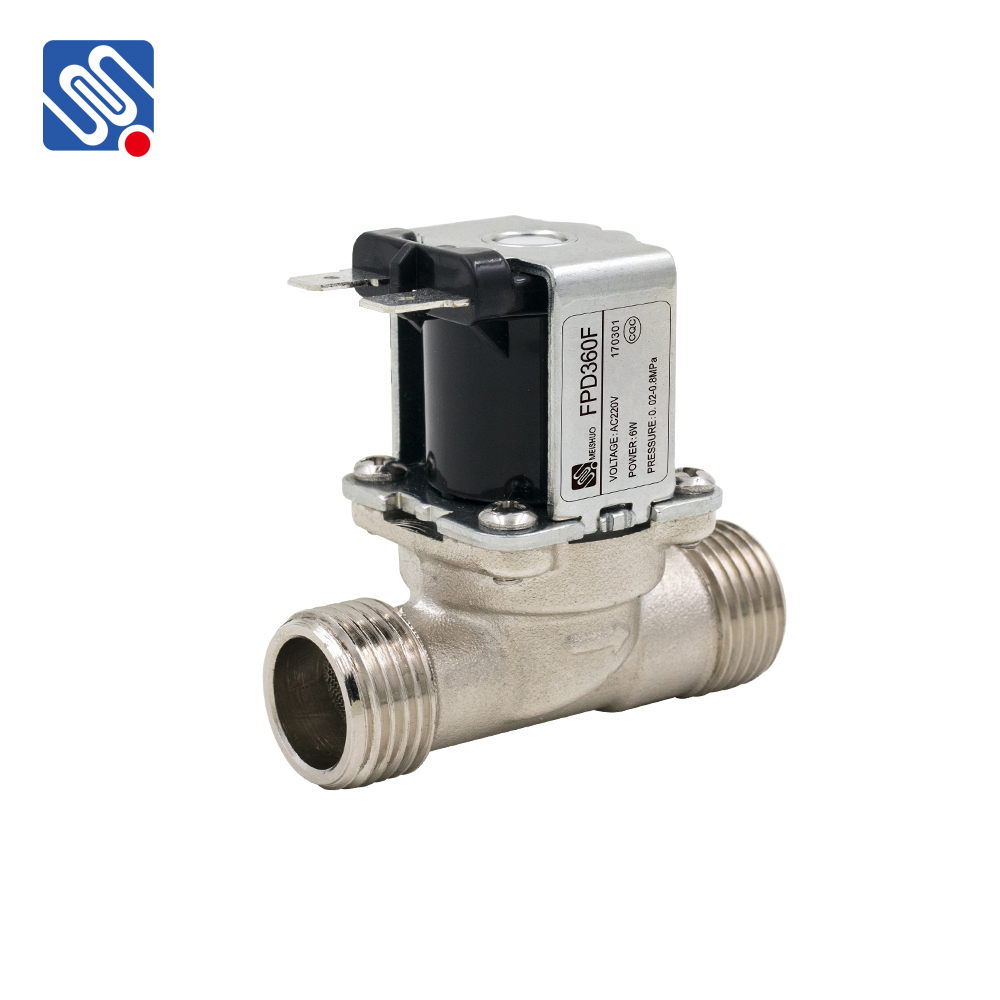
Functionality of Direct Acting Solenoid Valves The basic function of a Direct Acting Solenoid Valve is to regulate the flow of fluid or gas in a system. When the solenoid coil is energized, it generates a magnetic field that attracts a movable plunger or armature within the valve body. This action either opens or closes the valve, depending on the design. In most cases, when the solenoid is de-energized, a spring returns the plunger to its default position, effectively closing the valve and stopping the flow of fluid or gas. The defining characteristic of a direct acting solenoid valve is its ability to operate without relying on system pressure. This makes it ideal for use in low-pressure systems or applications where a rapid response is required. In a direct acting solenoid valve, the solenoid directly interacts with the valve’s internal components, making it more compact and reliable in small-scale or precision applications.
Leave a Reply