Capacitors are widely used in power electronics, serving as energy storage components, filtering devices, or voltage regulators in a variety of systems, including inverters, electric vehicles (EVs), and uninterruptible power supplies (UPS). When these systems are powered on, the capacitors, which often have high capacitance, can present a challenge. If connected directly to the power source, the large initial charging current could damage the circuit components and affect the system’s stability. To mitigate this risk, the Capacitor Precharge Circuit Relay is employed as a crucial protection mechanism in many power systems.
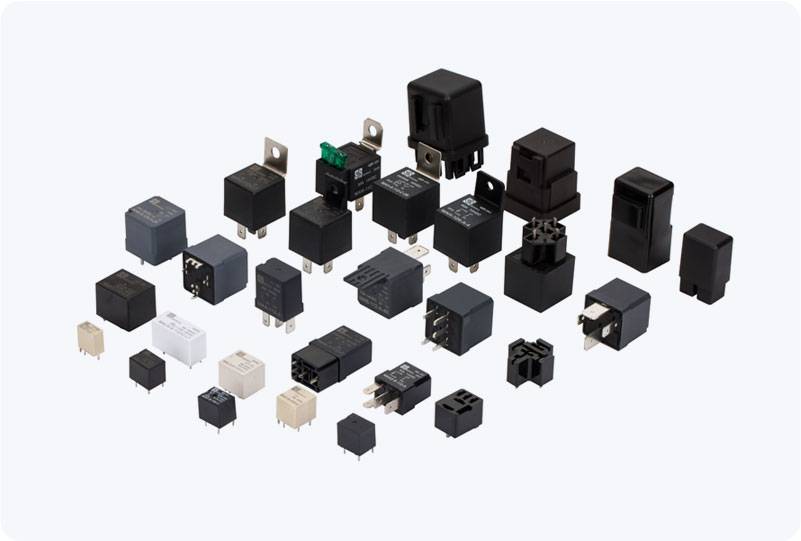
The Importance of Precharging Capacitors Capacitors have the characteristic of drawing a large inrush current when initially charged. This sudden surge in current occurs because the capacitor behaves like a short circuit when it is first connected to a power source, as its voltage is initially zero. In large systems, the inrush current can be substantial enough to damage components, such as power switches, resistors, and the capacitors themselves, especially in high-voltage or high-capacitance systems. The role of the Capacitor Precharge Circuit Relay is to prevent this damaging inrush current by slowly charging the capacitor to the required voltage level before the full power source is applied. This process allows for a smooth transition and reduces the stress on the circuit components.
Leave a Reply