In modern power electronics, particularly in high-voltage DC applications like electric vehicles, renewable energy systems, and large-scale power inverters, managing the surge of current that occurs when large capacitors are charged is crucial. A Capacitor Precharge Circuit Relay plays a pivotal role in ensuring this process is safe, efficient, and reliable. Let’s dive deeper into how this relay functions, its importance, and why it’s indispensable in preventing damage to sensitive components in power systems.
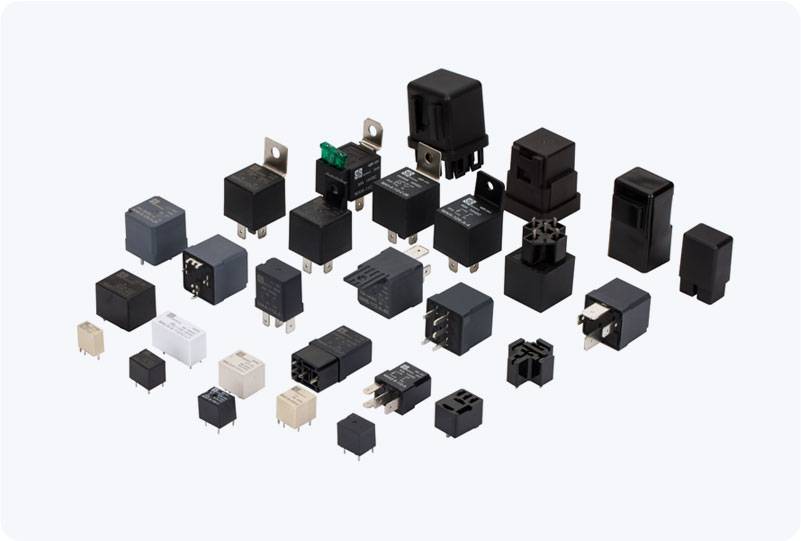
What is a Capacitor Precharge Circuit Relay? A Capacitor Precharge Circuit Relay is a device used to safely charge large capacitors in a power circuit. The role of this relay is to manage the initial current surge that occurs when a capacitor is charged from zero voltage to the supply voltage. This surge, known as “inrush current,” can cause significant stress on both the capacitor and the circuit components, potentially leading to failure. The precharge circuit with the relay ensures a smooth and gradual charging process, significantly reducing this risk. Why is Precharging Necessary?
Leave a Reply