In modern electronic systems, especially those with high voltage and power components, it is crucial to ensure the longevity and reliability of circuit elements. One of the key components in achieving this goal is the Capacitor Precharge Circuit Relay, a device that protects both the capacitor and the surrounding circuitry from damage due to sudden inrush currents. This article aims to delve into the purpose, working principle, and various applications of the capacitor precharge circuit relay.
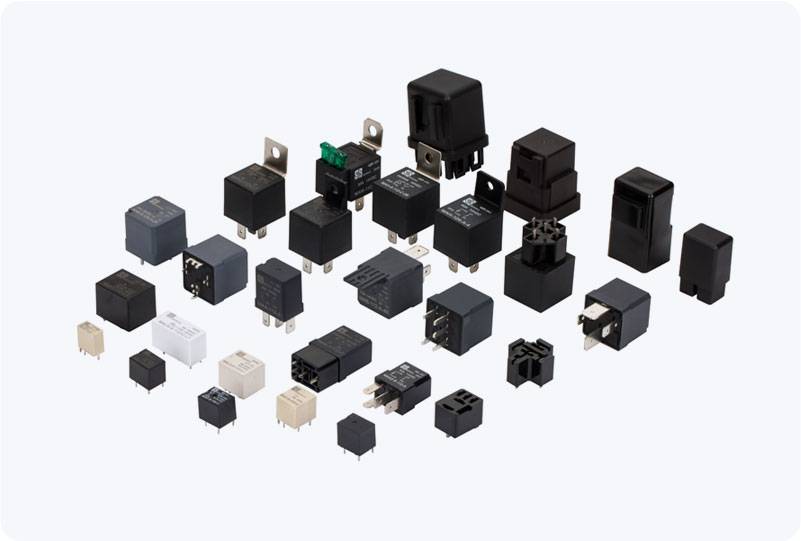
What is a Capacitor Precharge Circuit Relay? A Capacitor Precharge Circuit Relay is primarily used in power electronic systems to safely charge large capacitors without causing excessive current spikes. When capacitors are initially charged, they tend to draw a large inrush current, which can damage sensitive components or cause an overload. To prevent this, a precharge circuit ensures that the voltage is applied gradually to the capacitor, allowing it to charge slowly and safely. The key role of the capacitor precharge circuit relay is to control the charging process of capacitors, particularly in systems where the voltage levels are high, such as in power supply units, motor drives, and energy storage systems. This gradual charging process is essential to protect the components from the shock of sudden high currents and to improve the overall reliability of the system.
Leave a Reply