The automotive relay for headlights is a critical component that plays a vital role in the functioning of a vehicle’s lighting system. Without reliable lighting, safe driving is compromised, especially during nighttime or low-visibility conditions. This article will delve into the functionality, types, advantages, common faults, and maintenance of automotive relays specifically designed for headlights.
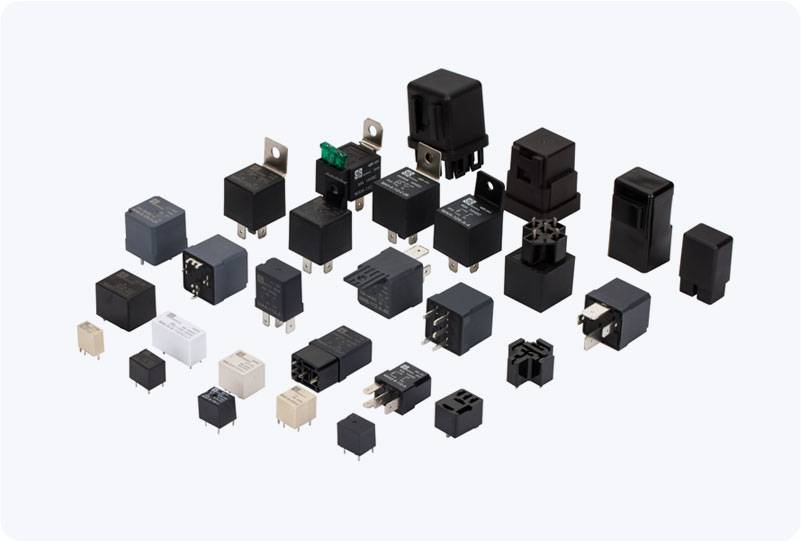
What Is an Automotive Relay for Headlights? Primarily, a relay is an electromechanical switch that allows a small electrical current to control a larger current. In the context of automotive headlights, the relay enables the control of high-power headlights while preventing overloading of the low-power switches on your dashboard. When you turn on your headlights, a small current triggers the relay, allowing a larger current to flow and power up the headlights. How Does It Work? The automotive relay for headlights operates through an electromagnetic mechanism. Inside the relay, there is a coil wired to the vehicle’s electrical system. When the driver activates the headlight switch, a small current flows through this coil, generating a magnetic field. This magnetic field causes a movable armature inside the relay to close the circuit, allowing high current from the battery to flow through to the headlights. When the driver turns off the headlights, the current stops flowing through the coil, the magnetic field collapses, and the armature returns to its original position, breaking the circuit and turning off the lights.
Leave a Reply