In the realm of temperature regulation, the adjustable mechanical thermostat stands as a stalwart option that has been widely used in various applications, from home heating systems to refrigeration units. This device operates using basic mechanical principles that allow it to maintain a specific temperature, ensuring comfort and efficiency in residential and industrial settings alike. In this article, we will explore the construction, functionality, advantages, disadvantages, and applications of adjustable mechanical thermostats, providing a comprehensive understanding of their role in temperature management systems.
Construction and Working Principle
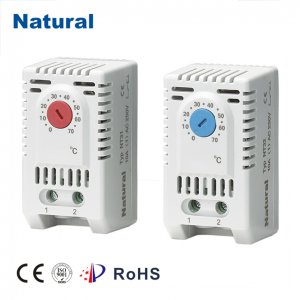
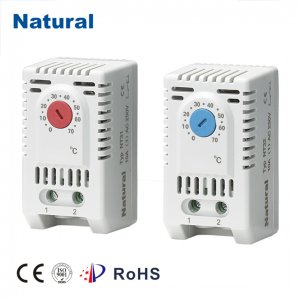
At the core of an adjustable mechanical thermostat are several key components, including a sensing element, a mechanical switch, a temperature-setting dial, and a protective housing. Sensing Element: This is typically a bimetallic strip or a gas-filled expansion bulb. When the temperature in the environment changes, the sensing element responds by bending or expanding. For instance, in a bimetallic strip, two metals with different coefficients of thermal expansion are bonded together. As the temperature rises, the strip bends in a specific direction. Mechanical Switch: As the sensing element responds to temperature changes, it activates a mechanical switch. This switch completes or interrupts the electrical circuit connected to heating or cooling equipment.
Leave a Reply