The 24V thermostat plays a crucial role in modern heating, ventilation, and air conditioning (HVAC) systems. Designed to regulate the temperature in residential and commercial spaces, this device operates on a low voltage of 24 volts, making it safe and efficient for various applications. In this article, we will delve into the functions, types, installation processes, and benefits of 24V thermostats.
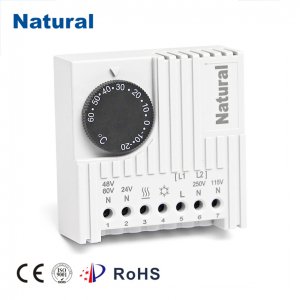
What is a 24V Thermostat?
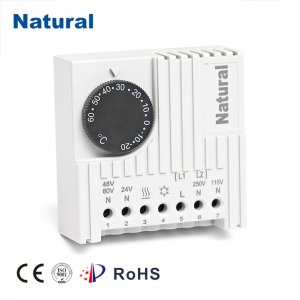
A 24V thermostat is an electronic device that monitors and controls the temperature of a space by switching the heating or cooling systems on and off as needed. It receives a 24V power supply, which is typically derived from a step-down transformer connected to the main electrical supply. This low voltage reduces the risk of electrical shock and makes installation simpler compared to high-voltage systems. Types of 24V Thermostats There are several types of 24V thermostats available, each catering to different needs and preferences: Mechanical Thermostats: These are traditional models that use bimetallic strips to measure temperature. While reliable, they are less accurate than modern digital options.
Leave a Reply