Relays have become integral components in various electrical and electronic systems, serving as crucial interfaces between control logic and high-power loads. Among the diverse range of relays available in the market today, the 24V 10A relay stands out due to its versatility and reliability. In this article, we will explore the features, applications, and key considerations for selecting a 24V 10A relay.
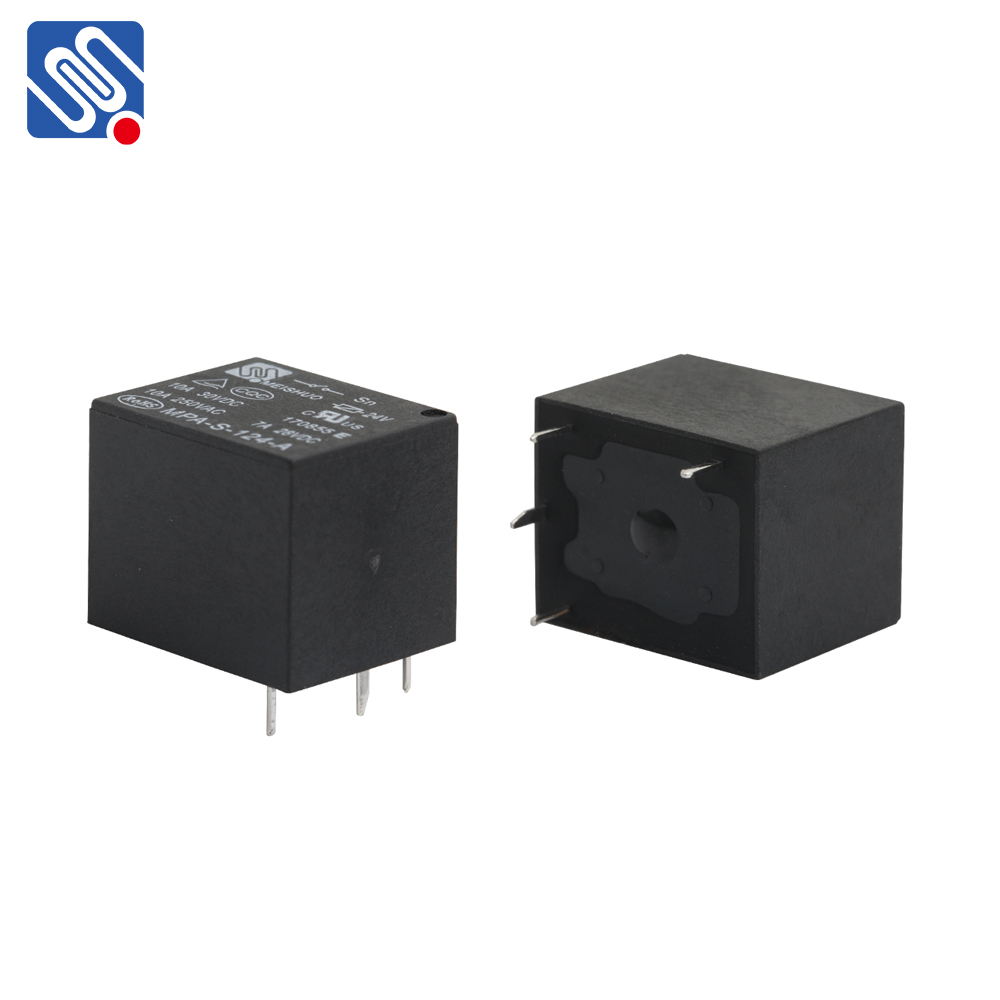
What is a 24V 10A Relay? A 24V 10A relay is an electromechanical device that utilizes a low-voltage control signal (24 volts DC) to switch larger electrical loads. The relay consists of a coil that, when energized, creates a magnetic field. This magnetic field operates a switching mechanism, commonly comprising one or more sets of contacts, which can open or close a circuit carrying a higher voltage and current, up to 10 amperes. Features of the 24V 10A Relay Electrical Ratings: The most notable features of a 24V 10A relay are its coil voltage (24V DC) and its maximum load current (10A). These specifications determine where the relay can be effectively used.
Leave a Reply