In modern electrical systems and automation, relays play a crucial role in controlling circuits and devices. Among the various types available, the 220V 30A relay stands out as one of the most widely used due to its capacity to handle high voltage and significant current. This article delves into the features, applications, and considerations when working with 220V 30A relays.
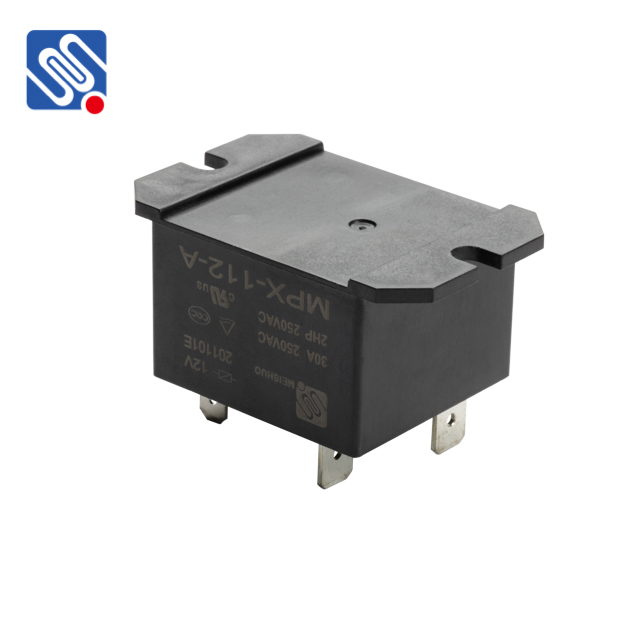
Understanding the Basics of 220V 30A Relays A relay is an electromechanical switch that uses an electromagnetic coil to open or close contacts in an electrical circuit. The 220V 30A relay is specifically designed to operate at a nominal voltage of 220 volts and can handle currents up to 30 amperes. This makes it suitable for switching high-power appliances and industrial machinery that require robust and reliable control. Types of Relays Electromechanical Relay (EMR): The traditional type of relay, which utilizes an electromagnetic coil to operate mechanical switches. When the coil is energized, it creates a magnetic field that pulls the switch contacts together, allowing current to flow through the circuit. While EMRs are reliable, they can wear out over time due to mechanical movement.
Leave a Reply