A Solid State Relay (SSR) is an advanced electronic device used to control electrical circuits without relying on mechanical contacts. Unlike traditional electromechanical relays, SSRs use semiconductor components such as thyristors, MOSFETs, or triacs to perform switching actions, offering a more durable, reliable, and efficient alternative. This article explores the key features, working principles, advantages, and applications of Solid State Relays, providing a comprehensive understanding of why they are essential in modern electrical systems.
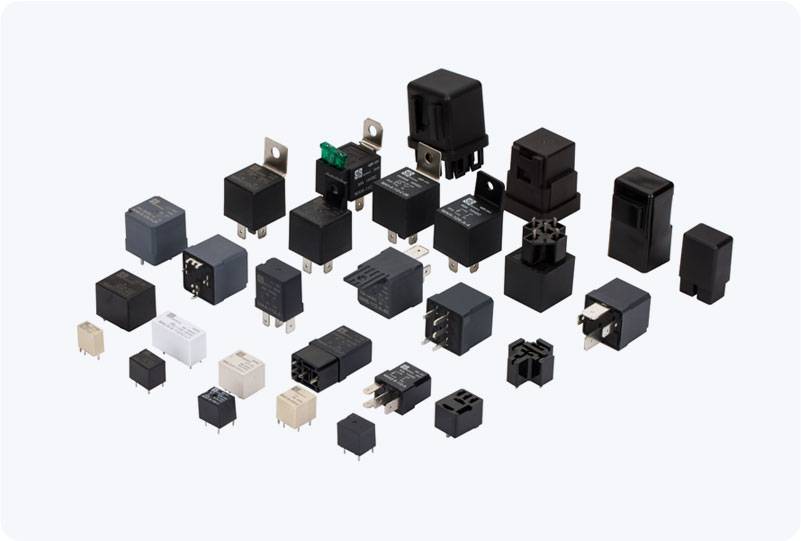
Working Principle of Solid State Relays The basic operation of an SSR involves the conversion of an input signal (usually low voltage DC) into a controlled output that switches on or off a high voltage AC or DC circuit. This process eliminates the need for mechanical parts like springs and contacts found in conventional relays, which can wear out over time. The SSR consists of two main components: the input circuit and the output circuit. The input circuit typically uses a low voltage control signal, which activates an optical isolator or a direct-coupled control element. The optical isolator, often using a light-emitting diode (LED) and a photosensitive element, isolates the control side from the high voltage output side while still allowing the signal to pass through.
Leave a Reply