In the realm of industrial automation, safety is paramount. The Siemens Safety Relay is a critical component designed to provide reliable safety solutions in various applications. As industries become increasingly automated, the need for robust safety mechanisms grows. This article explores the functionalities, features, and applications of the Siemens Safety Relay, shedding light on its importance in enhancing workplace safety.
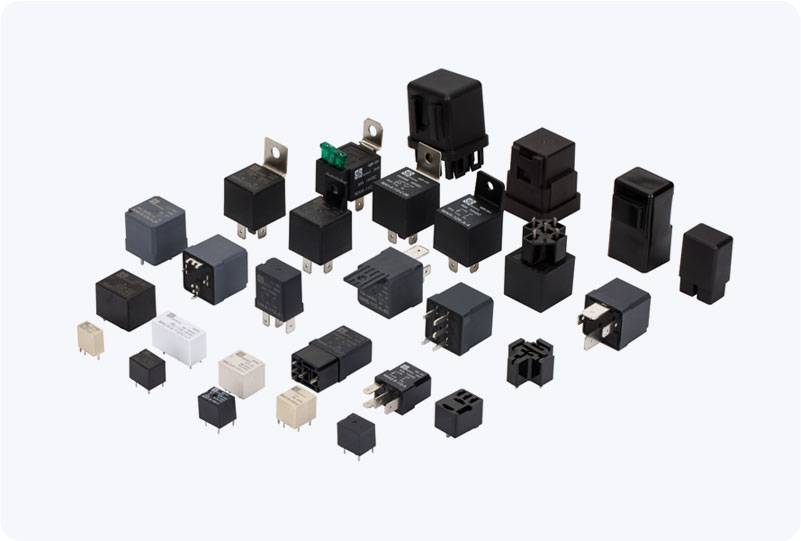
What is a Siemens Safety Relay? A Siemens Safety Relay is an electrical device that operates as a safety switch to ensure the protection of personnel and machinery in industrial environments. It plays a vital role in monitoring safety-critical circuits, allowing operators to implement safety measures effectively. The relay functions by detecting faults in control circuits and ensuring that, if a dangerous condition arises, it will take appropriate actions such as shutting down machines or activating alarms. Key Features of Siemens Safety Relay Multi-Channel Design: One of the standout characteristics of Siemens Safety Relays is their multi-channel architecture. This design allows the relay to monitor signals from various safety devices simultaneously, such as emergency stop buttons, safety doors, and light curtains. By using multiple channels, these relays can achieve redundancy, thereby enhancing their reliability. If one channel fails, another can take over, ensuring continuous safety monitoring.
Leave a Reply