Safety is the cornerstone of modern industrial automation, and protecting both workers and equipment from hazardous situations is critical. In this regard, Safety Relays have become indispensable components, playing a crucial role in ensuring safe operations across various industrial applications. Safety relays are designed to monitor safety devices, such as emergency stop buttons, safety gates, and light curtains, and trigger immediate actions to prevent accidents and protect operators.
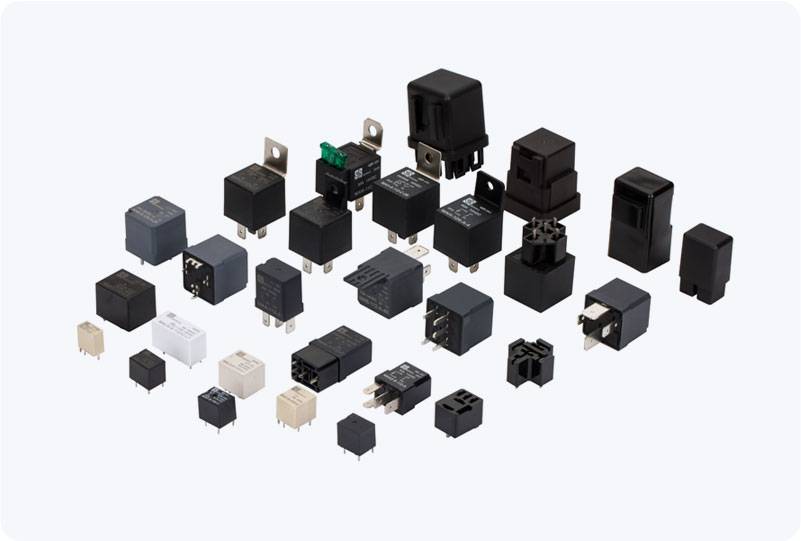
What is a Safety Relay? A safety relay is an electrical relay used in automation systems to monitor safety-critical circuits and devices. Its primary function is to detect a dangerous situation, such as an open safety gate or a pressed emergency stop button, and immediately act to stop or modify the machine’s operation. These relays are essential in systems that require high levels of functional safety, where failure to act can lead to severe accidents or even fatalities. How Does a Safety Relay Work? Safety relays are designed to act as intermediaries between safety devices (like emergency switches) and control circuits of machines. They typically receive input signals from safety devices and evaluate whether the condition is safe or unsafe. If the condition is unsafe, the safety relay takes action by interrupting the power supply to the machine or triggering a predefined safety procedure.
Leave a Reply