Safety padlocks are essential components of industrial safety procedures, particularly in lockout/tagout (LOTO) protocols. These locks are used to secure machinery and equipment during maintenance or repair, ensuring that workers are not exposed to hazardous energy sources. However, as with any product, the price of safety padlocks can vary significantly depending on various factors, such as material, brand, type, and additional features. Understanding the factors that influence safety padlock prices is crucial for businesses looking to balance cost-effectiveness with safety standards.
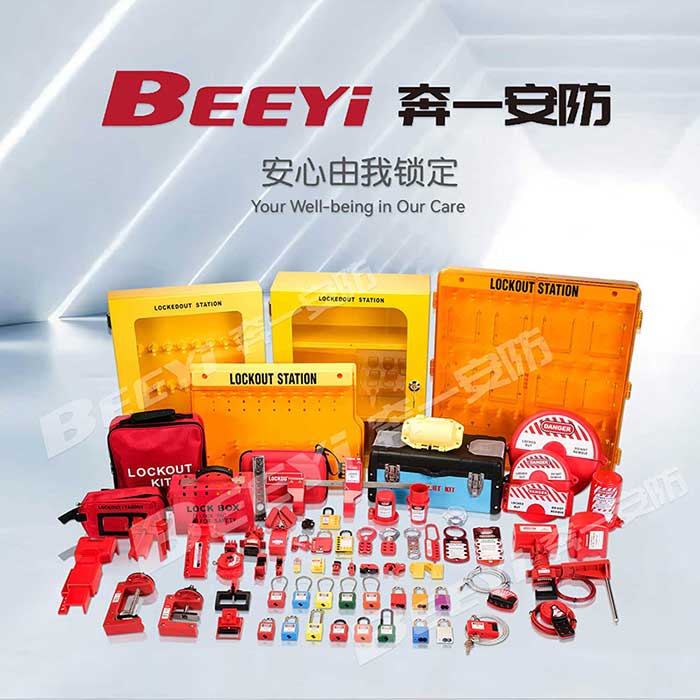
1. Material Quality and Durability One of the most significant factors affecting the price of a safety padlock is the material from which it is made. Safety padlocks are typically constructed from materials such as steel, aluminum, and plastic (commonly nylon or polypropylene). Steel locks, known for their strength and durability, are typically more expensive due to the high manufacturing costs of steel. Aluminum, while still strong, is lighter and more resistant to corrosion, which makes it an attractive, mid-range option for many businesses. On the other hand, plastic locks are often the most affordable option, although they are not as durable or secure as their metal counterparts. These plastic locks are frequently used in environments where the risk of physical damage is lower, or the focus is primarily on ease of use and cost-efficiency. However, businesses needing high-security solutions for harsh environments may opt for steel or aluminum locks, understanding that the added durability comes at a higher price.
Leave a Reply