In today’s industrial environment, safeguarding the well-being of employees is paramount. Among the various safety measures implemented in workplaces, safety lockout tags have emerged as vital tools designed to prevent accidents and ensure secure maintenance practices. These tags serve as a crucial component of lockout/tagout (LOTO) procedures, which are designed to protect workers from the unexpected energization or startup of machinery and equipment during maintenance or servicing.
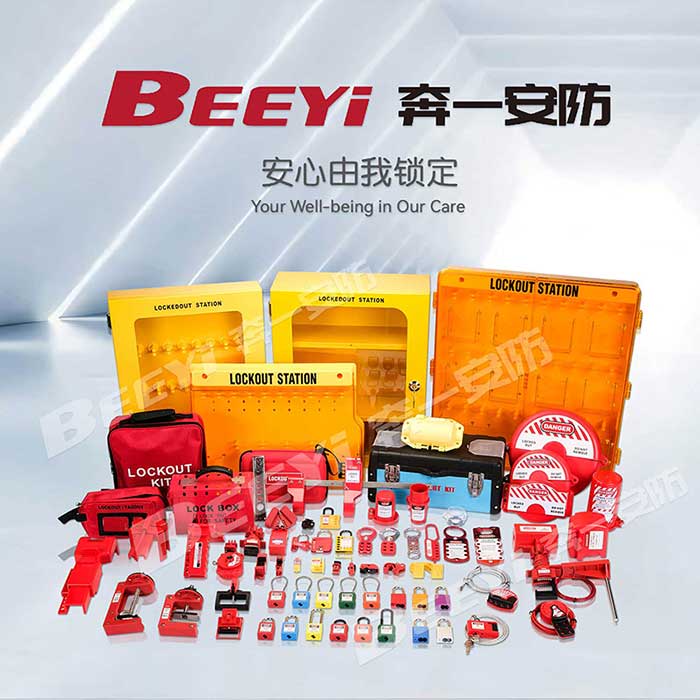
Safety lockout tags are color-coded, durable tags that are attached to machinery or electrical devices to indicate that they are inoperative and under repair. Typically, these tags come in bright colors like red and yellow to capture attention and convey a strong message regarding the hazardous status of the equipment. Each tag often has spaces for relevant information, including the name of the person who placed the tag, the date, and details about the specific work being performed. The primary purpose of safety lockout tags is to prevent accidental machine operation during maintenance activities. When maintenance personnel need to service a piece of equipment, they follow established procedures to “lock out” the device, rendering it inoperable. This involves shutting off the machine, isolating its power source, and applying a lock. The safety lockout tag is then attached to the lock to communicate that the equipment should not be operated until the tag is removed. This simple yet effective process helps prevent serious injuries or fatalities that could occur if machinery were suddenly activated while being serviced.
Leave a Reply