Reverse Osmosis (RO) systems are integral to modern water purification, used across various industries and domestic applications to provide clean, safe drinking water. These systems work by using a semipermeable membrane to filter out contaminants, leaving behind purified water. One crucial component of an RO system is the Reverse Osmosis Solenoid Valve. This valve plays an essential role in controlling the flow of water, ensuring that the system operates efficiently. In this article, we will explore the function, working principle, and applications of the Reverse Osmosis Solenoid Valve.
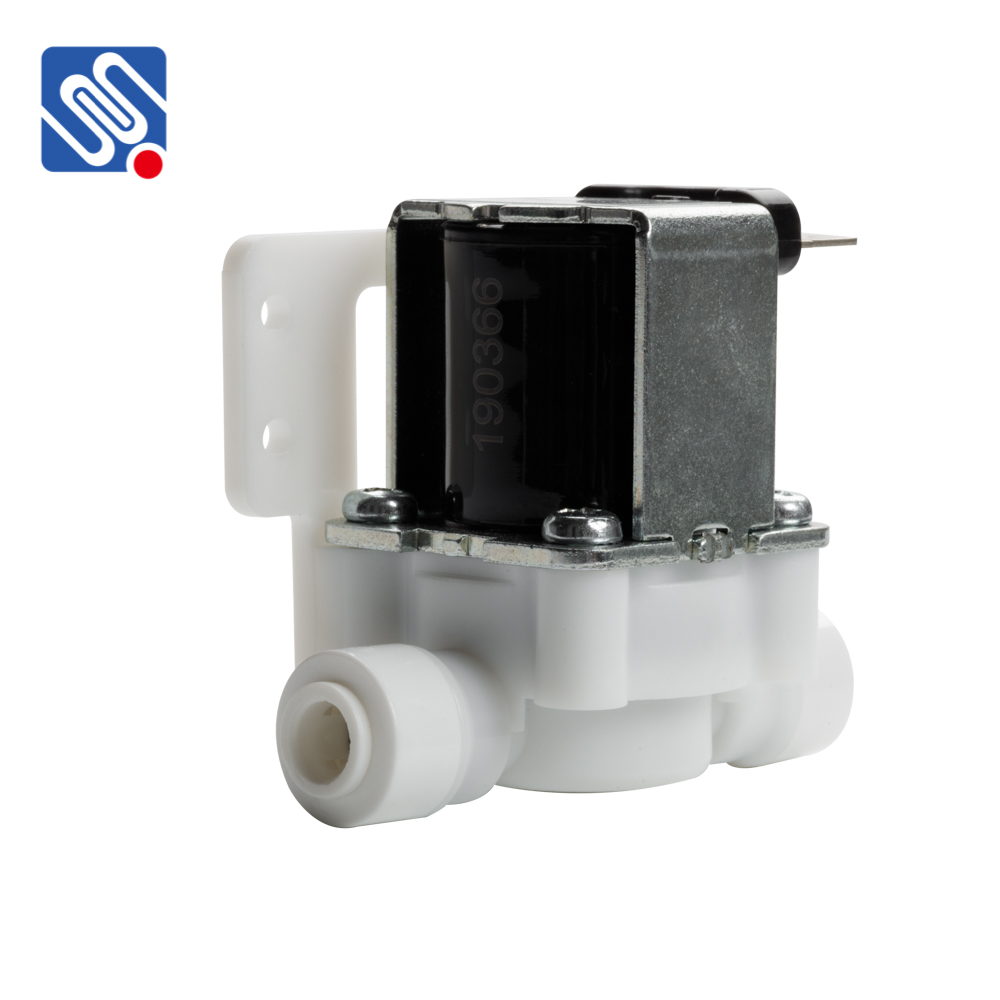
What is a Reverse Osmosis Solenoid Valve? A Reverse Osmosis Solenoid Valve is an electrically controlled valve that regulates the flow of water in an RO system. The solenoid valve opens or closes in response to electrical signals, enabling or restricting the flow of water into and out of the system. It acts as a gatekeeper, allowing water to pass through at certain times and preventing unwanted flow during other stages of the filtration process. These valves are typically powered by a low-voltage electrical coil, which creates a magnetic field when energized, thereby moving a plunger that either opens or closes the valve.
Leave a Reply