Relay wiring is a fundamental concept in electrical and electronic systems, playing a pivotal role in controlling high-voltage circuits with low-voltage signals. A relay acts as a switch that allows an electrical circuit to be controlled remotely, and its wiring determines how effectively and safely the relay can function in various applications. Whether you’re working with automotive systems, home automation, or industrial control panels, understanding how to wire a relay is crucial for both safety and efficiency.
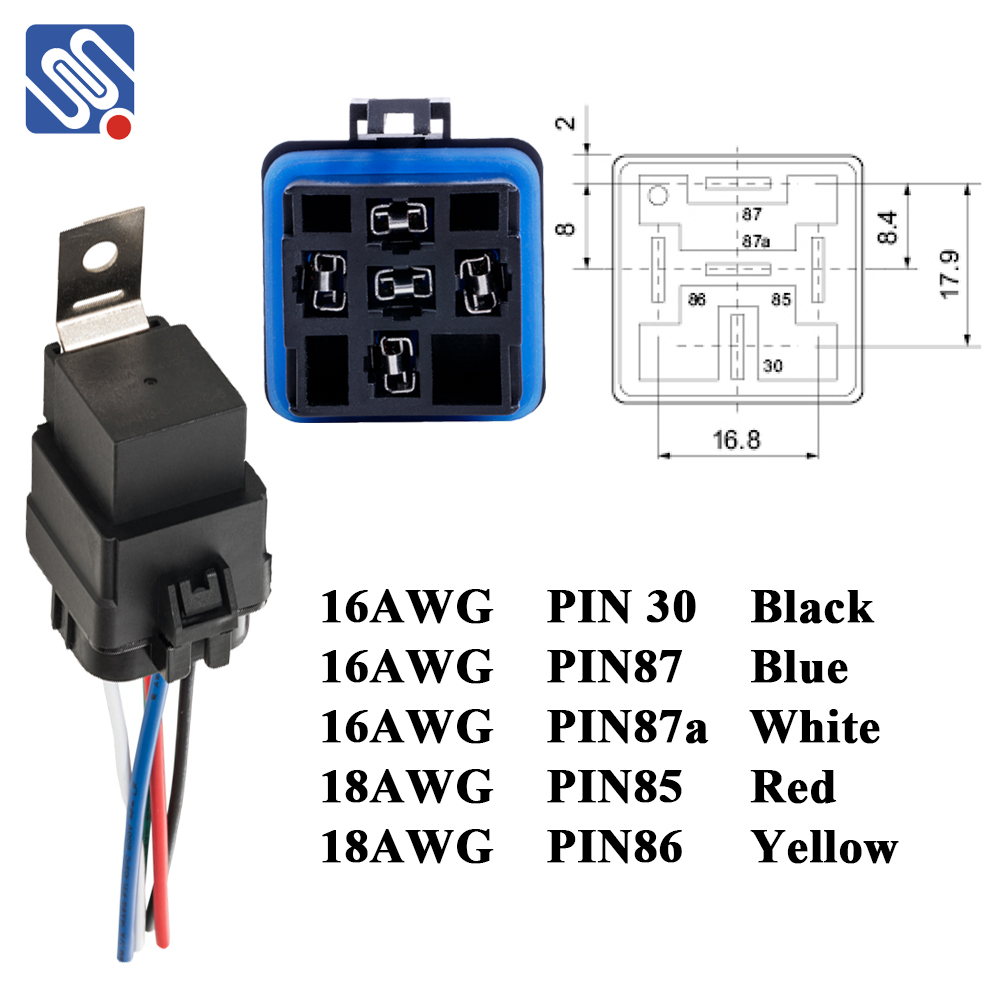
What is a Relay? A relay is an electromechanical device that allows one circuit to control another by opening and closing contacts. It consists of a coil, a set of contacts, and an armature. The coil, when energized, creates a magnetic field that moves the armature, causing the contacts to either close or open. This action allows a low-power signal to control a higher-power circuit, making relays incredibly useful in various industries, including automotive, telecommunications, and industrial automation. Types of Relay Contacts Before diving into wiring a relay, it’s essential to understand the different types of relay contacts that exist:
Leave a Reply