Relay wiring is an essential concept in both electrical engineering and electronics. Relays are electromagnetic switches that allow a low-power signal to control a high-power circuit. This capability makes them incredibly versatile in various applications, ranging from home automation to industrial machinery. In this article, we will explore the fundamentals of relay wiring, its components, the wiring process, and its practical applications.
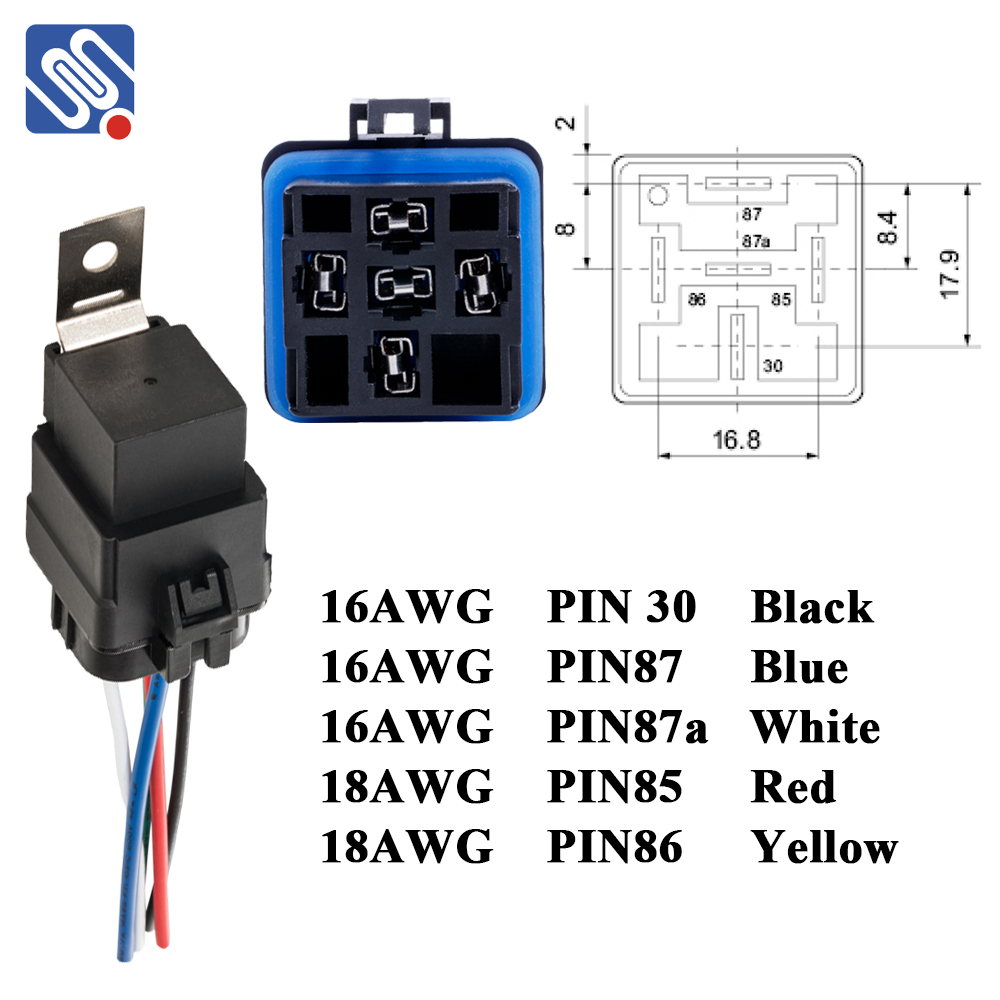
What is a Relay? A relay consists of an electromagnet, a movable armature, and one or more sets of contacts. When a voltage is applied to the coil, it generates a magnetic field that attracts the armature, causing it to move and either make or break a circuit. Relays can be classified into different types, including electromechanical relays, solid-state relays, and reed relays, each serving distinct functions based on their design. Components of Relay Wiring Coil: The coil is the part of the relay that receives the control signal. When electrical current flows through the coil, it generates a magnetic field that activates the relay.
Leave a Reply