Relays are essential components in modern electrical systems, acting as electromagnetic switches that control the flow of electricity in a circuit. One of the most critical aspects of a relay is its relay voltage, which is the voltage required to activate the relay and make it function. Whether you’re designing a circuit, troubleshooting an electrical system, or choosing a relay for an industrial application, understanding the concept of relay voltage is crucial. In this article, we’ll explore the different aspects of relay voltage and how it influences the performance and selection of relays for various uses.
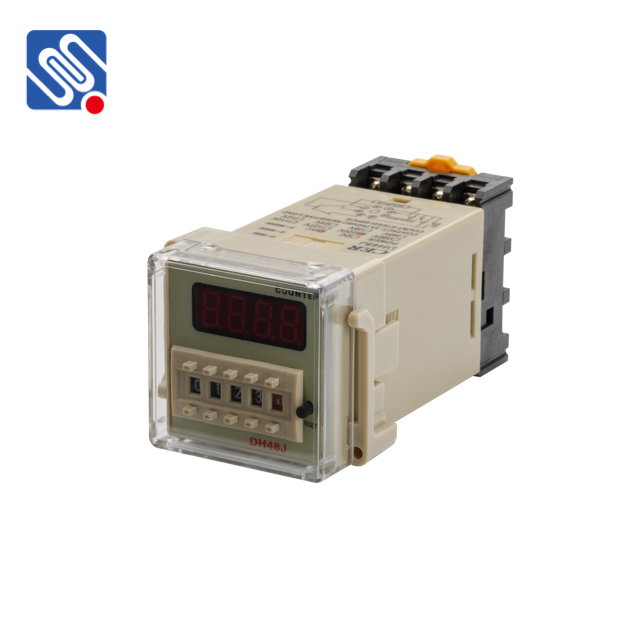
What is Relay Voltage? Relay voltage, also known as coil voltage, refers to the electrical voltage needed to energize the coil of a relay. When a voltage is applied to the coil, it generates a magnetic field that pulls the relay’s internal contacts together or separates them, thereby opening or closing the electrical circuit connected to the relay. This voltage can either be direct current (DC) or alternating current (AC), depending on the type of relay. Relays are designed to operate at specific voltages, often indicated on the device or in the datasheet. The most common relay voltages are 5V, 12V, 24V, and 48V DC, although relays designed for higher voltage applications may operate at 110V or 220V AC.
Leave a Reply