Relay voltage is a crucial concept in the field of electrical engineering and automation. It refers to the voltage required to activate the coil of a relay, which in turn controls larger electrical loads. Understanding relay voltage is fundamental for anyone involved in designing, maintaining, or troubleshooting electrical systems. This article aims to provide an in-depth exploration of relay voltage, its significance, and its applications.
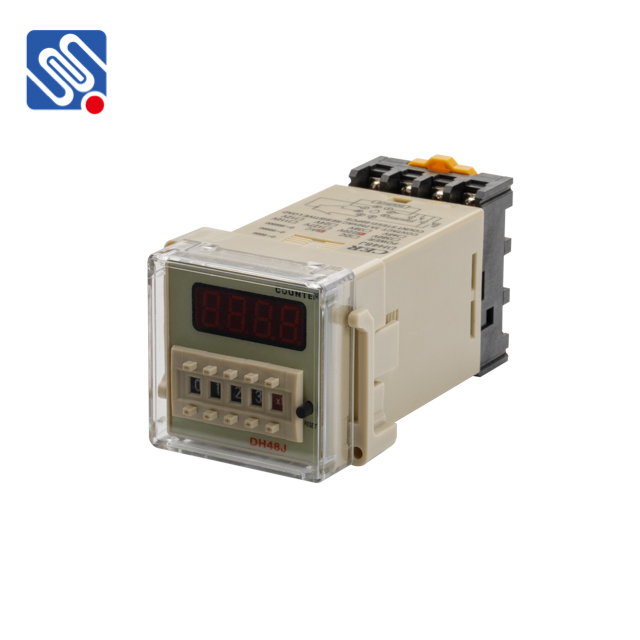
What is a Relay? A relay is an electromechanical device that functions as a switch, allowing a low power signal to control a much larger load. The basic operation of a relay involves an electromagnetic coil that, when energized, generates a magnetic field. This magnetic field attracts a movable armature or lever, which opens or closes the contacts in the relay. By doing so, it can either allow current to flow through a circuit or interrupt it. Types of Relays Relays come in various types, each tailored to specific applications and requirements. The most common types include: Electromechanical Relays (EMR): These are the traditional relays that rely on electromagnetic principles to operate. They can usually handle higher currents and voltages.
Leave a Reply