Relays are integral components in modern electrical systems, providing control and protection for a variety of applications. As their use expands in critical environments, understanding the safety features of relays becomes paramount. Relay safety features ensure the longevity of the device, protect users from electrical hazards, and enhance the overall reliability of electrical circuits. In this article, we will explore the various safety aspects of relays that contribute to their effectiveness and reliability in both industrial and domestic settings.
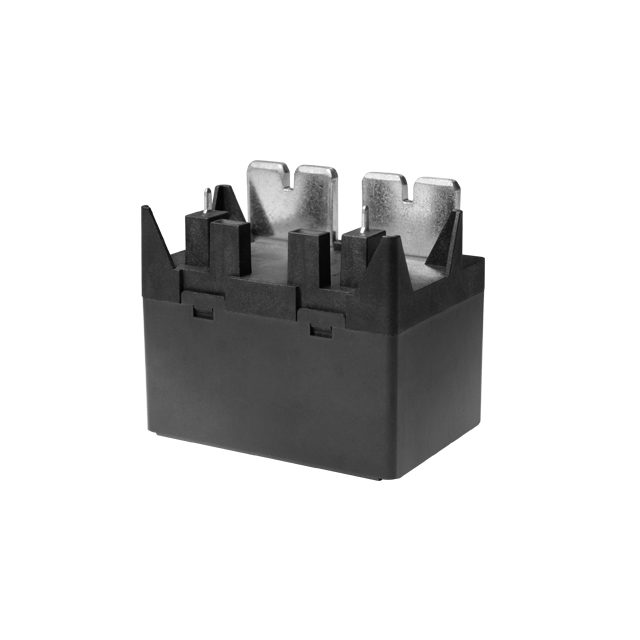
1. Galvanic Isolation: A Barrier Against Electric Shock One of the most crucial safety features in relays is galvanic isolation, which separates the control circuit (low-voltage) from the load circuit (high-voltage). This isolation prevents the transmission of high-voltage spikes to the control system or the operator, thus reducing the risk of electrical shocks. Relays achieve this isolation through physical barriers like air gaps or through insulating materials within the relay structure. This feature is particularly important in applications where control circuits must remain protected from potentially hazardous high-voltage systems.
Leave a Reply