In today’s fast-paced manufacturing landscape, companies are constantly seeking ways to optimize their production processes. One compelling approach that has garnered significant attention is Relay Production. This methodology emphasizes the seamless transition of materials and products through various stages of manufacturing, thereby aiming to improve overall efficiency, reduce downtime, and enhance product quality. This article delves into the core principles of Relay Production, its benefits, and its implementation in modern manufacturing environments.
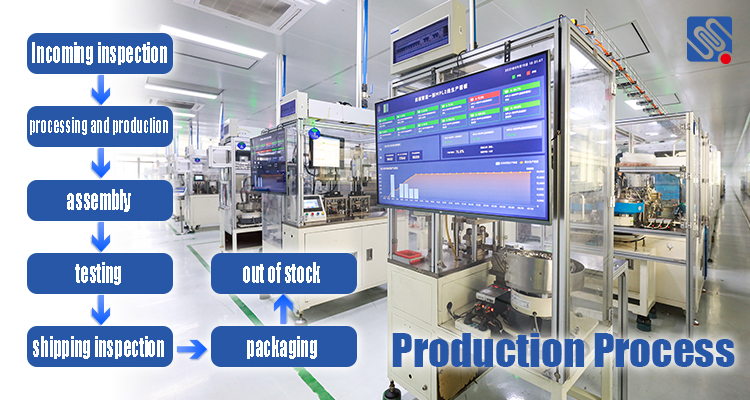
At its essence, Relay Production is focused on maintaining continuity and flow within the production line. It seeks to eliminate bottlenecks that can occur when transitioning products from one stage to another. For instance, in a typical manufacturing process, products may be subjected to multiple phases, including assembly, quality control, and packaging. Any disruption in these phases can lead to production delays, increased operational costs, and ultimately, a negative impact on customer satisfaction. Thus, the primary goal of Relay Production is to create a streamlined process that allows for a constant flow of production, minimizing interruptions.
Leave a Reply