Relays are essential components in modern electrical systems, playing a pivotal role in controlling circuits and protecting electrical equipment. These electromagnetic switches are used to automatically control the flow of electricity based on a signal from a control circuit. The performance and reliability of a relay largely depend on its various parameters. Understanding these parameters is crucial when selecting the right relay for specific applications, especially in industries like automation, power systems, and industrial controls.
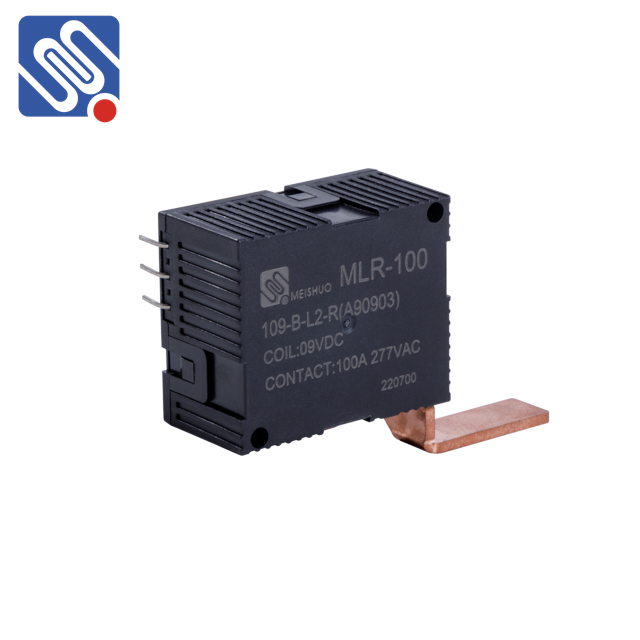
1. Rated Voltage One of the most critical relay parameters is the rated voltage. This refers to the voltage at which the relay is designed to operate. It could be either alternating current (AC) or direct current (DC), and it represents the optimal operating voltage required for the relay to function effectively. Relays with different rated voltages are designed for different systems, so choosing the right voltage is essential for the relay’s reliability and longevity. Using a relay with a voltage rating that is too high or too low can lead to malfunctioning or even damage to the relay.
Leave a Reply