Relays are essential components in many electrical and electronic systems, used to control circuits by opening or closing contacts in response to an electrical signal. Whether it’s in industrial automation, automotive applications, or home appliances, the longevity of a relay is critical for maintaining system reliability and performance. The concept of relay lifespan involves both the mechanical and electrical longevity of a relay, influenced by several factors including load type, switching frequency, environmental conditions, and more. This article explores the key aspects of relay lifespan, the factors affecting it, and how to extend its service life.
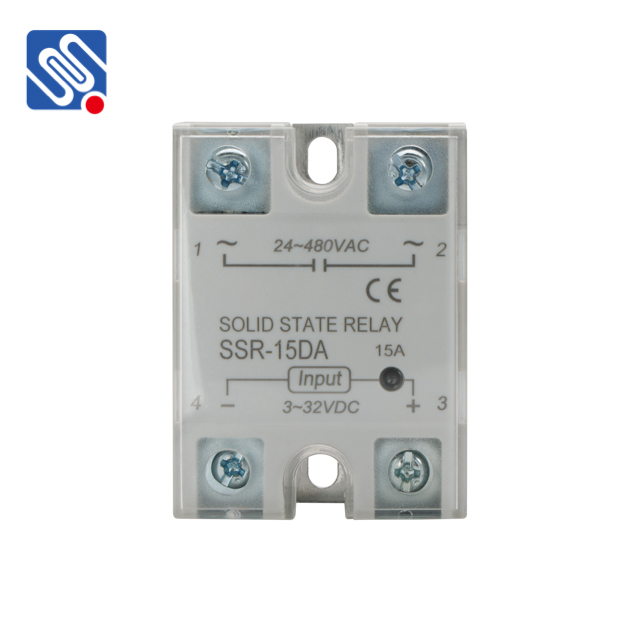
1. Electrical vs. Mechanical Lifespan The lifespan of a relay can be broken down into two primary categories: electrical and mechanical. Electrical Lifespan Electrical lifespan refers to the number of cycles a relay can perform while switching electrical loads. This is largely determined by the type of load the relay is switching, the voltage and current levels, and the nature of the load itself (resistive, inductive, or capacitive). When a relay switches a load, it creates an electrical arc at the contact points, which can cause wear over time. The harsher the electrical conditions, such as high voltage or high current, the quicker the contacts degrade.
Leave a Reply