Relay isolation is a key concept in electronics that pertains to the way relays separate electrical circuits while allowing control signals to pass through. This technology is crucial for protecting sensitive components and enhancing the overall safety and reliability of electronic systems. In this article, we will explore the fundamentals of relay isolation, its significance, and various applications across different industries.
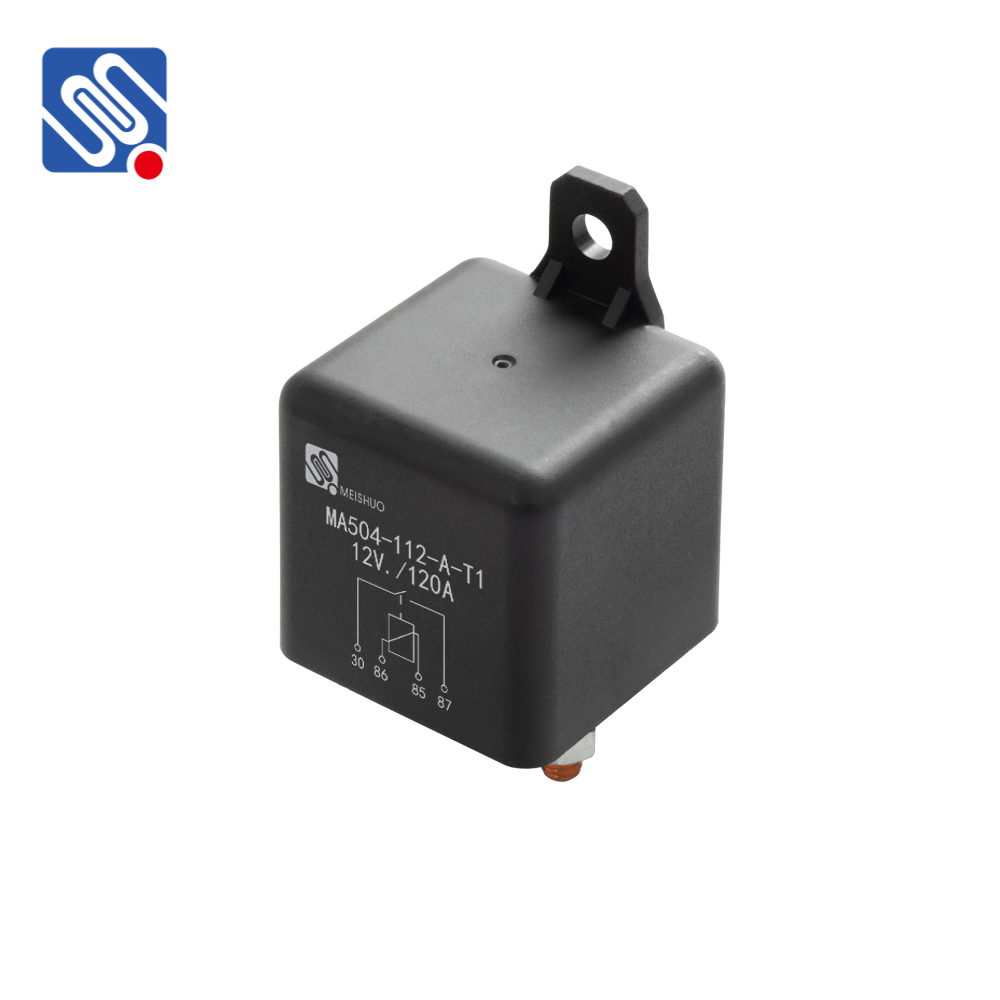
At its core, a relay is an electrically operated switch that allows one circuit to control another circuit. The mechanism typically involves an electromagnet that, when activated, closes or opens a switch. Relay isolation occurs when the input (control) side of the relay is electrically isolated from the output (controlled) side. This isolation serves multiple important purposes, ensuring both safety and performance in electronic systems. One of the primary advantages of relay isolation is protection against high voltages and currents. In many industrial applications, control circuits operate at low voltages while switching circuits may handle high voltages and high currents. Without isolation, a fault in the high-voltage system could potentially damage components in the control circuit or, worse, create a shock hazard for operators. Relay isolation mitigates this risk, allowing control systems to function safely even in the presence of hazardous electrical conditions.
Leave a Reply