Relay isolation is a critical concept in electrical engineering and design, serving as a protective barrier between different parts of an electrical circuit. This isolation is essential in applications ranging from industrial automation to consumer electronics, providing safety and reliability in various systems. In this article, we will delve into the principles of relay isolation, its advantages, applications, and key considerations for selection.
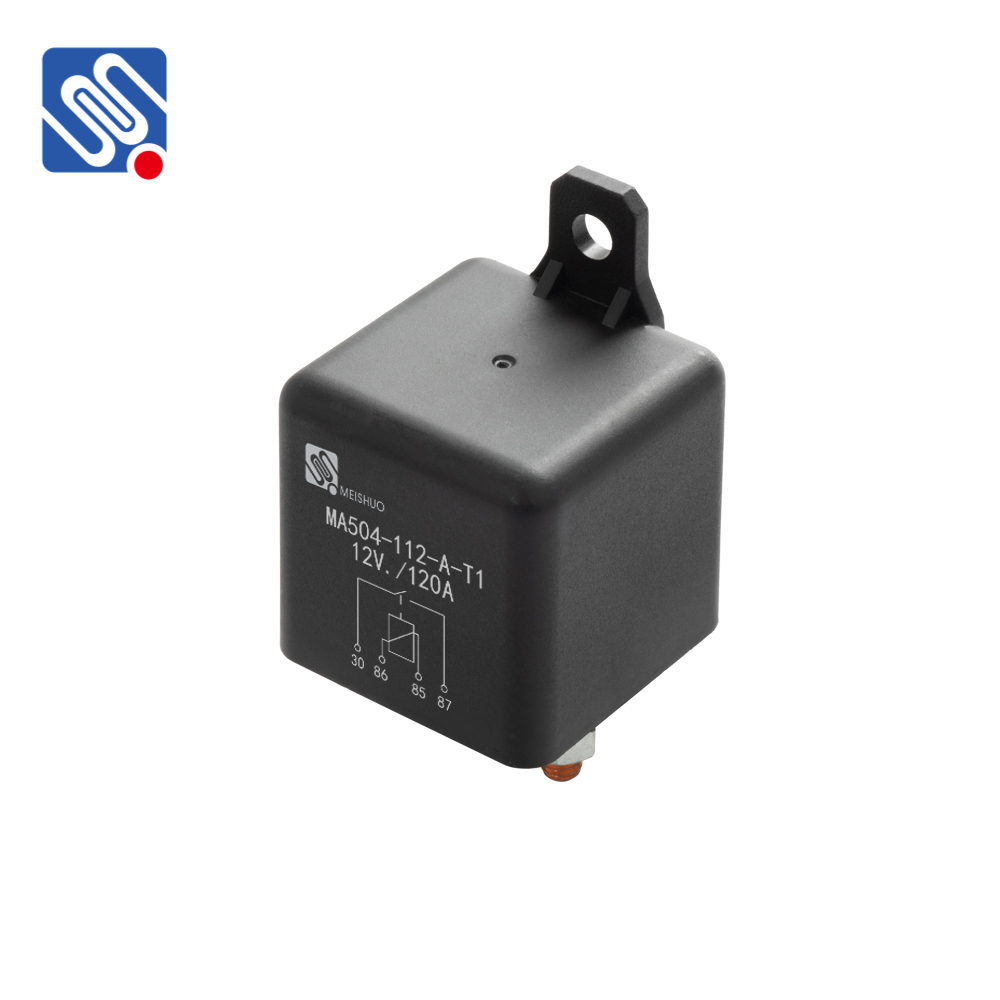
The Principle of Relay Isolation At its core, a relay is an electrically operated switch that uses an electromagnet to mechanically operate a set of contacts. When a small control voltage is applied to the relay’s coil, it activates the electromagnet, creating a magnetic field that pulls the contacts together or apart. This design allows low-voltage control signals to manage high-voltage or high-current circuits, which is fundamental to relay isolation. Relay isolation works by providing a physical and electrical separation between the input side (control side) and the output side (load side) of the circuit. This separation ensures that any faults or high voltages on the input side do not propagate to the output side, thus safeguarding sensitive components and overall system integrity.
Leave a Reply